|
|
The aorta has been recognised as a complex, functioning organ in its own right. This development is reflected at ECR 2026, where Professor Nicola Galea urged the radiology community to adopt standardised imaging protocols as a basis for consistent clinical decisions. Further topics include a user-friendly portable ultrasound system for breast cancer screening, the advent of humanoid robot teams in surgery, and a smart balloon technique advancing fetal surgery. Enjoy reading!
|
|
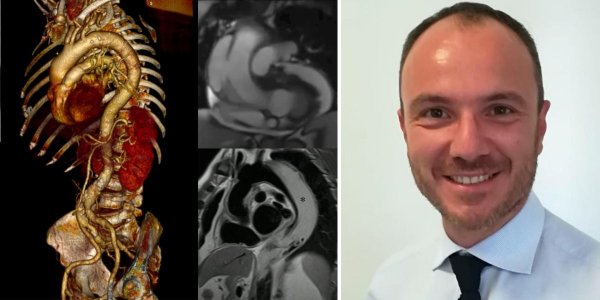 |
Article • A call for consistency at ECR 2026
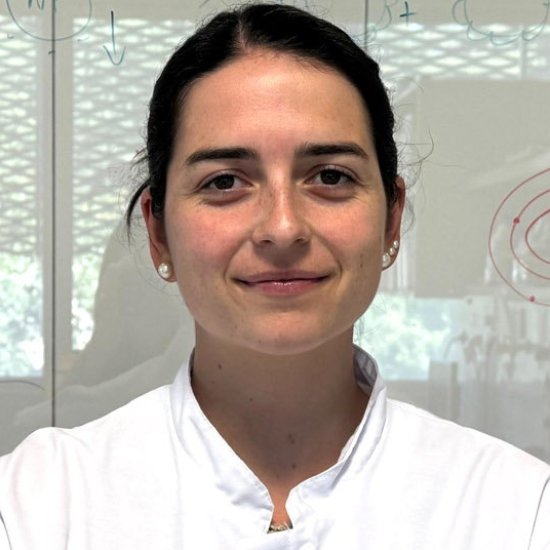
As the aorta gains recognition as a functioning organ rather than a simple blood conduit, the lack of standardised imaging protocols is becoming an increasingly pressing concern. At ECR 2026 in Vienna, Professor Nicola Galea from Sapienza University ... |
News • Operator-independent breast cancer screening
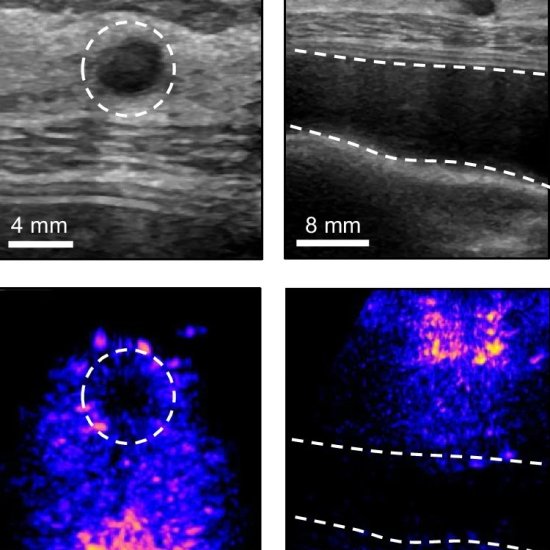
A new portable ultrasound system could make breast imaging more accessible. The device generates high-res, 3D images of breast tissue, requires no expertise to operate and could be used at home. |
|
Sponsored • AI training platform
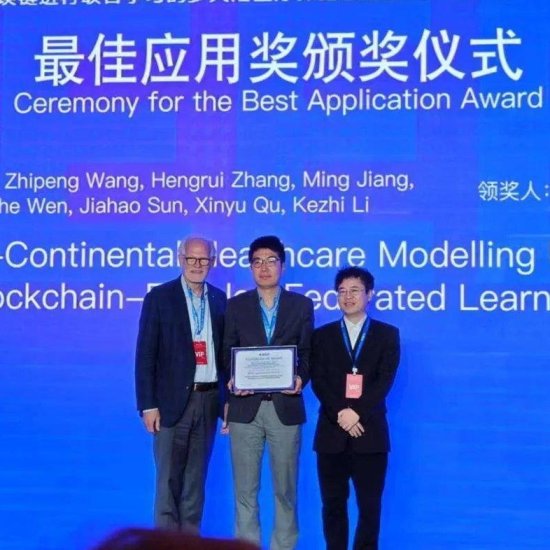
FLock.io has been spotlighted by the World Economic Forum (WEF)’s MINDS programme for two NHS trusts using its privacy-preserving AI to tackle major diseases. Both trusts use its federated learning platform to train clinical models while ... |
|
Video • Robot-human and robot-robot setups
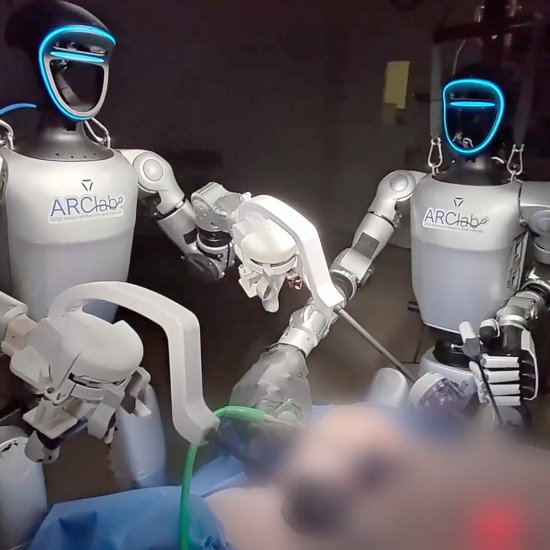
For the first time, two teleoperated humanoid robots have been used to complete surgeries during a preclinical trial – a first step toward introduction in the operating room, researchers said. |
|
News • Diaphragmatic defect in unborn babies
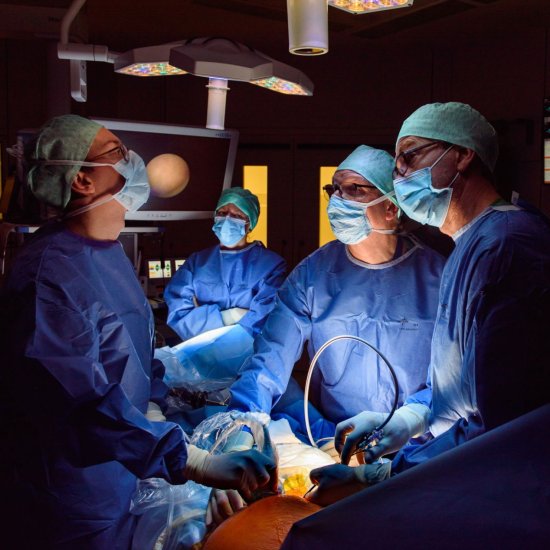
Researchers have found a way to avoid second surgery for unborn babies with a severe diaphragmatic defect. To complete the procedure, the mother now only has to take a short stroll. |
|
News • Femoral neck fracture treatment
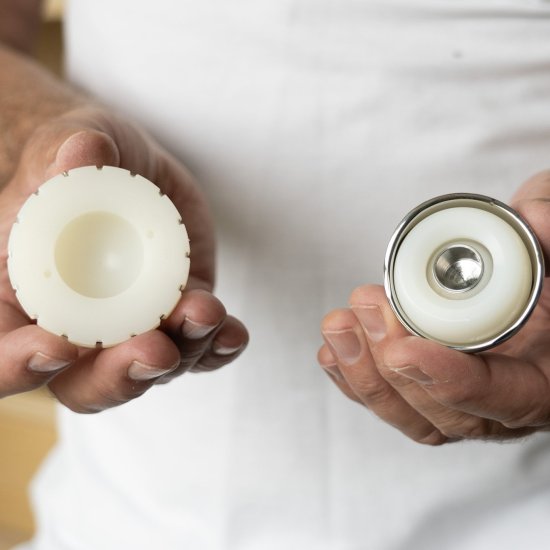
Using dual mobility total hip replacements (DM-THR) instead of the standard THR approach greatly reduces the likelihood of dislocation post-surgery, a new study finds. |
|
News • Biological scaffolds of cellulose and soy
Researchers have developed structures for cartilage regeneration based on cellulose, gelatin and soy proteins obtained from food industry by-products, with promising properties for tissue engineering. |
|
News • Exploring the landscape of tumour methylation
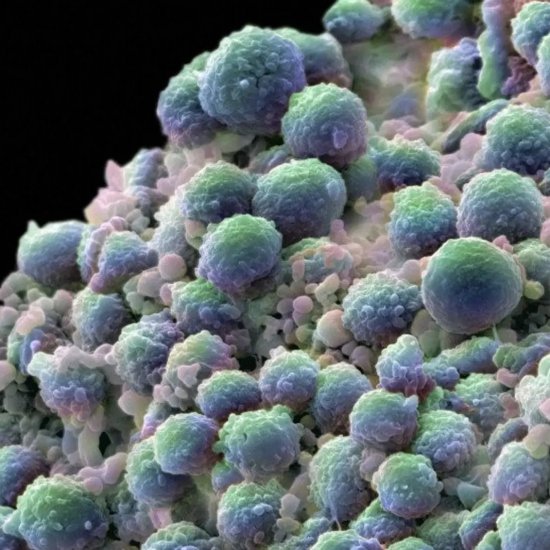
Why do some prostate cancers grow slowly and remain localized while others become aggressive and metastasize? In a new paper, researchers identify the answer: tumor methylation. |
|
News • Circulating tumor DNA status
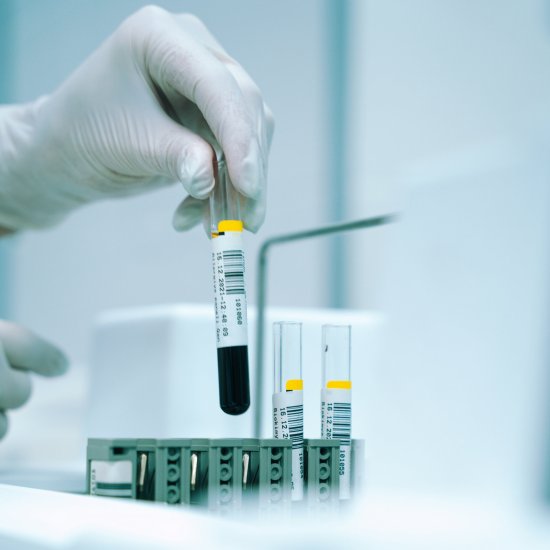
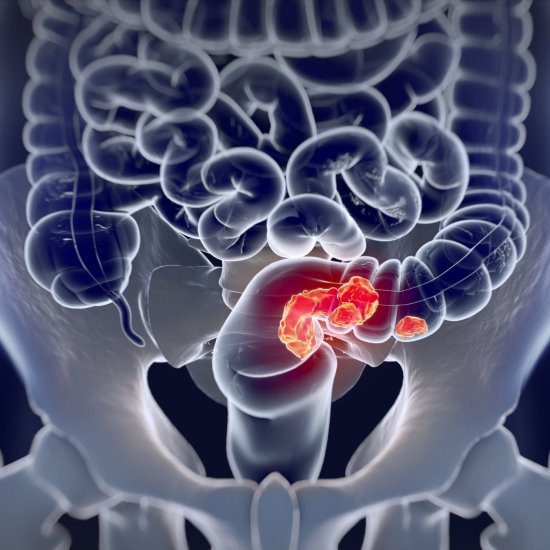
A blood test for ctDNA may help identify which patients with colorectal cancer that has spread to the liver are most likely to benefit from chemotherapy after surgery, according to new research. |
|
News • "Second pair of eyes" for endoscopists
A multicenter randomized clinical trial shows that real-time AI-assisted colonoscopy significantly improves adenoma detection among individuals at high risk for colorectal cancer. |
|
News • Early detection biomarker
The presence of certain bacteria in the gut microbiota, and fluctuations in a person’s metabolism, have been identified as potential biomarkers for type 2 diabetes years before its onset. |
|
News • Information processing in biological systems
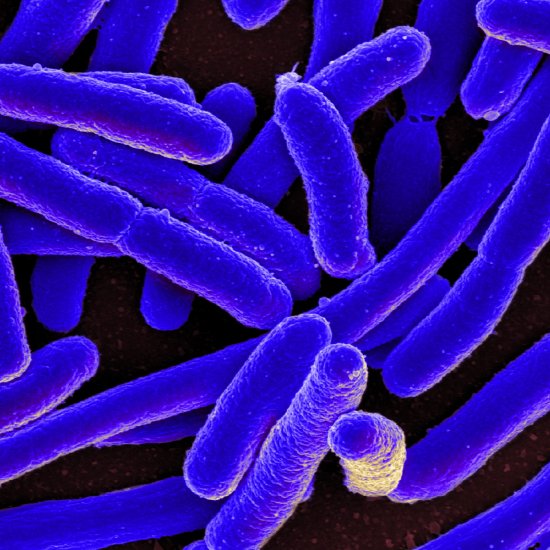
Bacterial growth could be used for information processing – for example, to predict the severity of an infection. New research results could pave the way for simple and low-cost diagnostic methods. |
|
News • National quality registry
Rare diseases are anything but, with half a million patients in Sweden alone. Still, diagnostic expertise is often limited among healthcare professionals. A new study explores ways to change this. |
|
News • Language barriers and culture clash
Language barriers and culture clash: Two new studies point out sources of frustrations among Ukrainian refugees with the Danish healthcare system – and how to fix them. |
|
Events
|
|
|
|
|
| |
You are receiving this email because you subscribed to our newsletter on healthcare-in-europe If you don’t want to receive this newsletter anymore, click here to unsubscribe.
Keep up-to-date on the latest news from all hospital-related fields!
Subscribe to our bi-monthly newsletter. Copyright © 2026 mgo fachverlage GmbH & Co. KG.
All rights reserved. E.-C.-Baumann-Straße 5, 95326 Kulmbach, Germany
email: newsletter@european-hospital.com |
|



|
|