|
|
Artificial intelligence is reshaping medical imaging at a remarkable pace. This edition's lead article explores how AI is transitioning from a perceived threat to an indispensable ally for radiologists amid growing workforce challenges. Additional topics include deep learning approaches for longitudinal breast cancer risk prediction from mammograms and a retrospective on 20 years of radiology education at ESOR. Also included: A dedicated focus on stroke rehabilitation, covering new approaches using exoskeletons, VR, and blood pressure management. Enjoy reading!
|
|
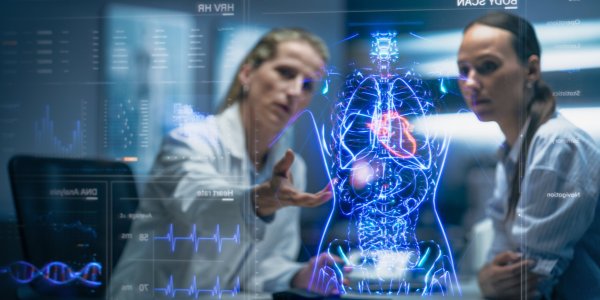 |
Article • From threat to essential ally
Will artificial intelligence (AI) render radiologists obsolete? What seemed a likely scenario only nine years ago, has now given way to a quite different reality: At RSNA 2025, two experts outlined how AI tools are becoming essential allies – not ... |
News • Longitudinal AI analysis
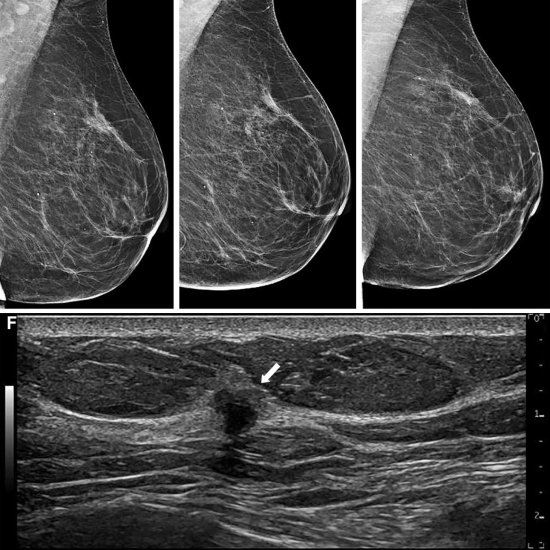
AI models can now assess breast cancer risk directly from changes in screening mammograms over time, a new study shows. This opens the door to a new era of dynamic breast cancer risk assessment. |
|
Article • Education, collaboration, innovation
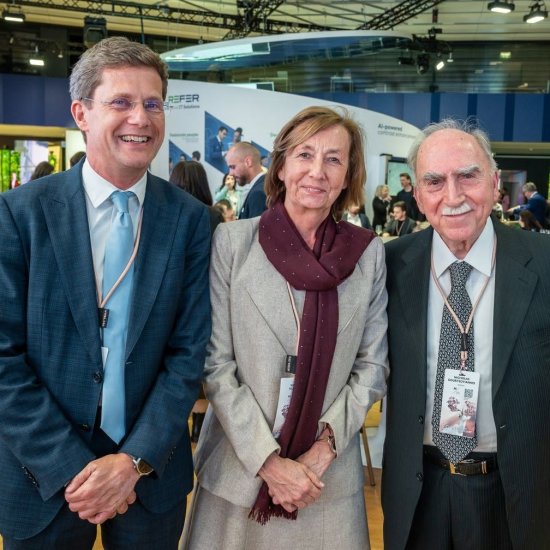
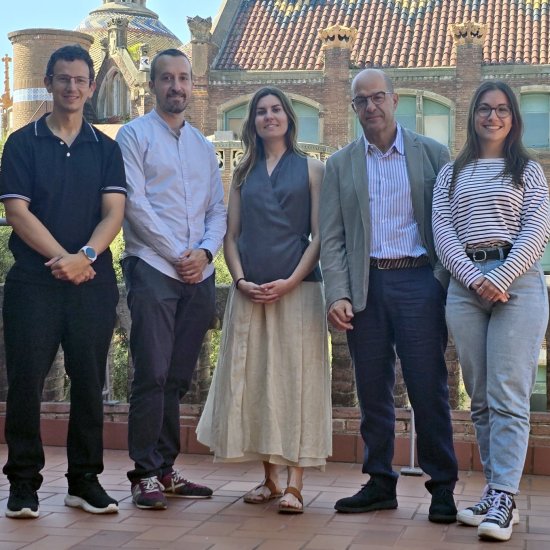
Past and present leaders of the European School of Radiology (ESOR) reflected on the evolution of radiology education in Europe and the challenges facing the specialty at ECR 2026 to mark the 20th anniversary of the school. |
|
News • Neurology
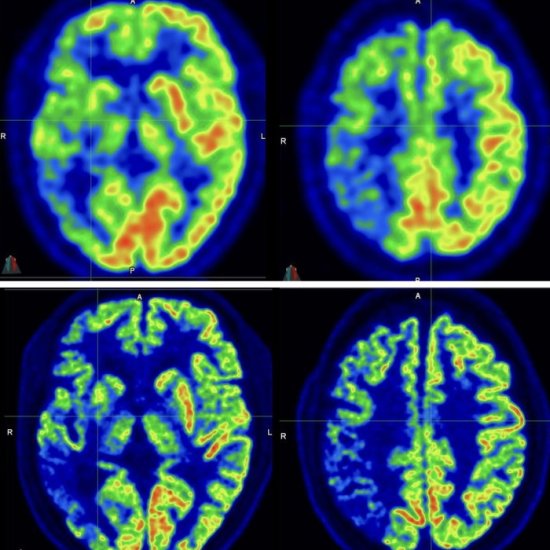
A new high-res PET scanner is making its clinical debut at UZ Leuven. The scanner makes it possible to detect earliest signs of brain diseases, years before a patient experiences the first symptoms. |
|
News • Renal function deterioration
Advanced multiparametric MRI performed before kidney tumor surgery could help identify patients at higher risk for kidney function decline and chronic kidney disease after nephrectomy. |
|
Article • From technology to responsibility
Will surgeons be replaced by machines in the future? With the rising impact of AI and robotics, this concern is on the minds of many medical professionals and patients alike. At the 2026 German Surgery Congress, Prof. Dr Jörg-Peter Ritz, President ... |
|
News • Side-effects of cancer care
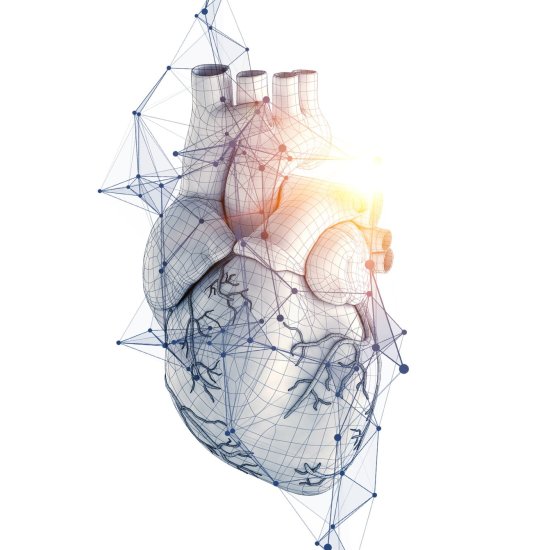
A new survey highlights major gaps in cardio-oncology training, despite its increasing clinical importance for prevention and early management of cardiovascular complications in patients with cancer. |
|
News • Personalized blood pressure targets
Adapting blood pressure targets after thrombectomy for acute ischemic stroke significantly improves patients’ functional recovery without increasing the risk of complications, a new study finds. |
|
Video • Virtual environment, real improvements
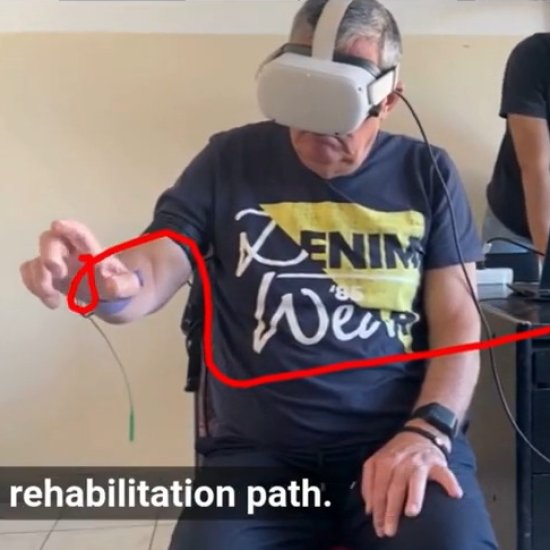
Improvements in arm and hand function, tactile and body awareness: Researchers have developed a rehabilitation platform for stroke survivors, which combines VR with targeted sensory nerve stimulation. |
|
News • Rehabilitation assist
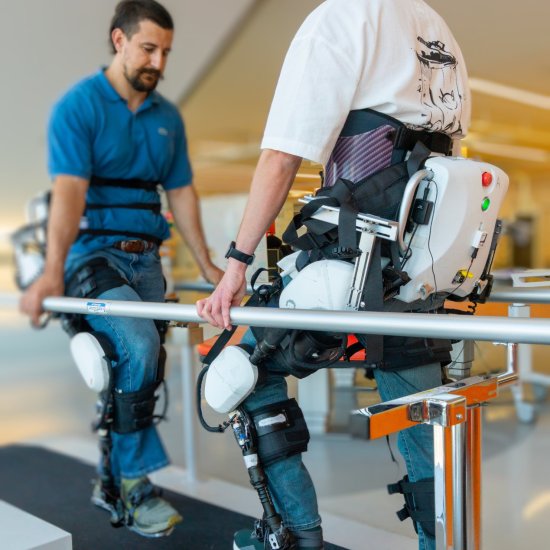
Relearning how to walk after a stroke is a huge challenge, often requiring months of intensive rehabilitation. A new approach utilizing lower-limb exoskeletons aims to facilitate this process. |
|
News • AI analysis of doctor's notes
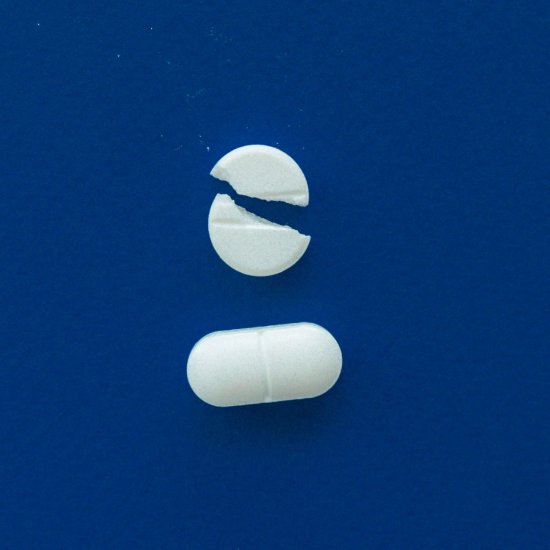
Why do patients discontinue their medication? Using large language models, researchers analysed medical records to assess the most common reasons. This could help better understand treatment pathways. |
|
News • Magnet-controlled chemotherapy delivery
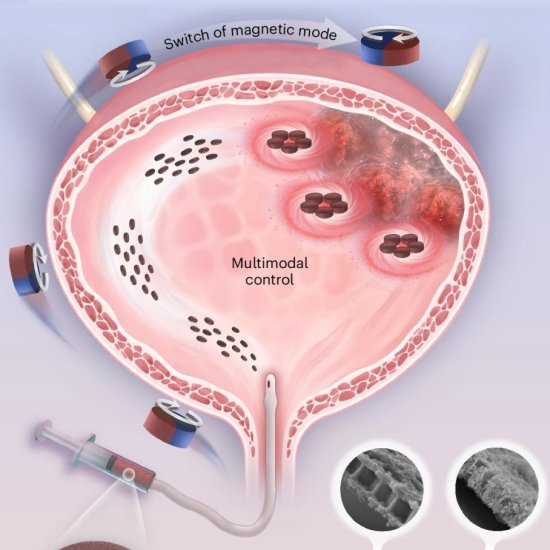
Tiny algae-based robots guided by magnets could improve bladder cancer treatment by boosting delivery of chemotherapy drugs into tumours, results from a new study suggest. |
|
|
|
| |
You are receiving this email because you subscribed to our newsletter on healthcare-in-europe If you don’t want to receive this newsletter anymore, click here to unsubscribe.
Keep up-to-date on the latest news from all hospital-related fields!
Subscribe to our bi-monthly newsletter. Copyright © 2026 mgo fachverlage GmbH & Co. KG.
All rights reserved. E.-C.-Baumann-Straße 5, 95326 Kulmbach, Germany
email: newsletter@european-hospital.com |
|



|
|