|
|
Academic-industry partnerships are reshaping the future of computational pathology. In this edition, we explore the opportunities and risks of collaboration between labs and business to advance AI-driven diagnostics. Further topics include new insights into ALS pathology subtypes, a new carbon footprint database for healthcare products, advances in PET imaging for multiple sclerosis, and more. Enjoy reading!
|
|
 |
Article • Pros and cons of academic-industry partnerships
Academic-industry partnerships are playing a crucial role in advancing computational pathology. At the Digital Pathology and AI Congress: Europe in London in December, Liron Pantanowitz outlined the benefits and risks of such collaborations – and ... |
Sponsored • Laboratory Diagnostics
Invasive fungal infections are silent, fast-moving, and notoriously hard to catch in time. The FUJIFILM Wako β-D-Glucan Test on the LIMUSAVE MT-7500 gives clinical laboratories a quantitative, LAL-based tool to detect (1→3)-β-D-glucan in serum ... |
|
News • Amyotrophic lateral sclerosis
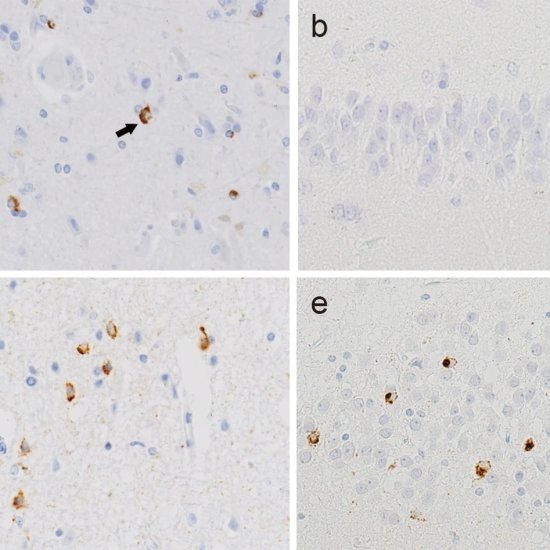
New research has found that a genetic factor best known for increasing the risk of Alzheimer's disease, may also influence how pathological changes spread in amyotrophic lateral sclerosis (ALS). |
|
News • Post-injury axon regrowth
When the spinal cord is damaged, the resulting paralysis is usually considered permanent. Now, a new research approach using lab-grown organoid models suggests that it actually might be reversed. |
|
News • Decarbonisation effort
Data experts have created the first global carbon analytics database – a new resource to help hospitals and clinics save money, reduce waste, improve patient care, and tackle climate change. |
|
News • Study measures health impact
For decades, patients have been strictly advised to use single-use catheters to prevent urinary tract infections (UTIs). However, a new study suggests that reusable options are equally safe. |
|
News • Focus on cellular senescence
A simple, affordable urine test could detect early signs of lung cancer months, or even years, before symptoms appear, as well as monitor whether treatment is working and identify potential relapse. |
|
News • Sex-specific effects of bariatric surgery
Substantial and sustained weight-loss after bariatric surgery has been linked to a reduced risk of cancer and cancer-related death, mainly in women. Two new studies now provide clues as to why. |
|
News • Polyendocrine Metabolic Ovarian Syndrome
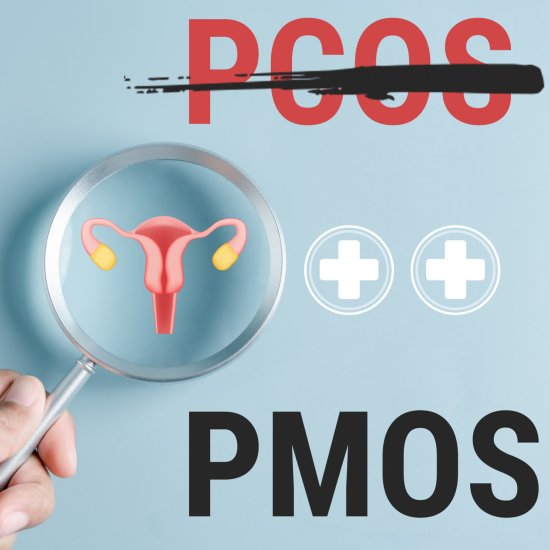
Polycystic Ovary Syndrome (PCOS) is being renamed Polyendocrine Metabolic Ovarian Syndrome (PMOS) – but will it help those it affects? Experts argue what else needs to change to make a difference. |
|
News • OPTIMA trial results
Many people with breast cancer can avoid chemotherapy with a gene test, potentially sparing them side effects without increasing the risk of the cancer returning, a clinical trial has found. |
|
News • Fetal monitoring
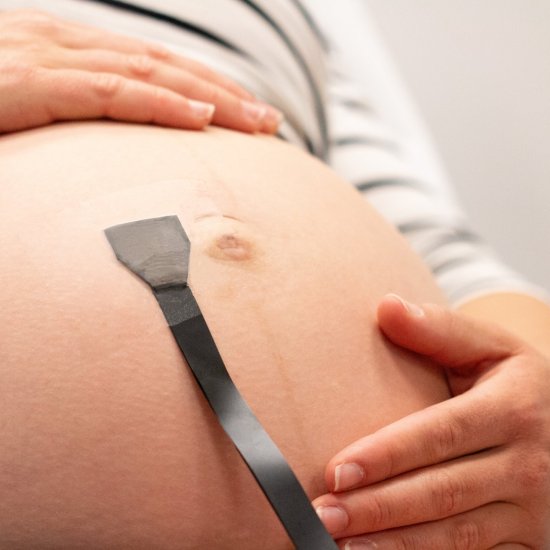
Engineers have created a soft, wearable ultrasound patch that can continuously monitor a fetus for hours at a time — and do so even as the fetus and umbilical cord constantly move during pregnancy. |
|
News • New MS monitoring approach
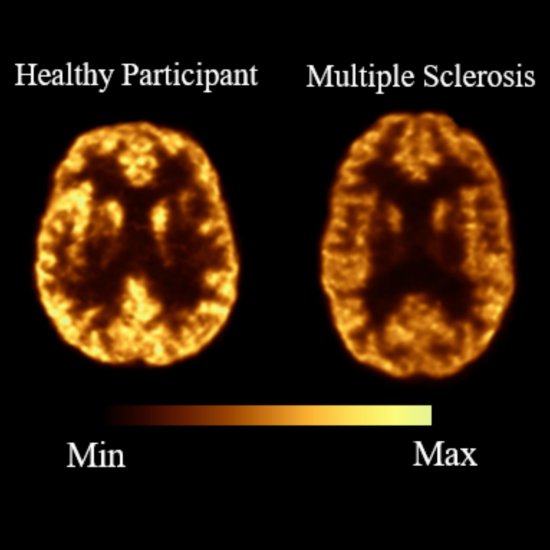
A new PET imaging approach that measures synaptic density in the spinal cord provides a quantitative way to assess the brain's functional wiring in patients with multiple sclerosis. |
|
News • Contrastive language image pretraining
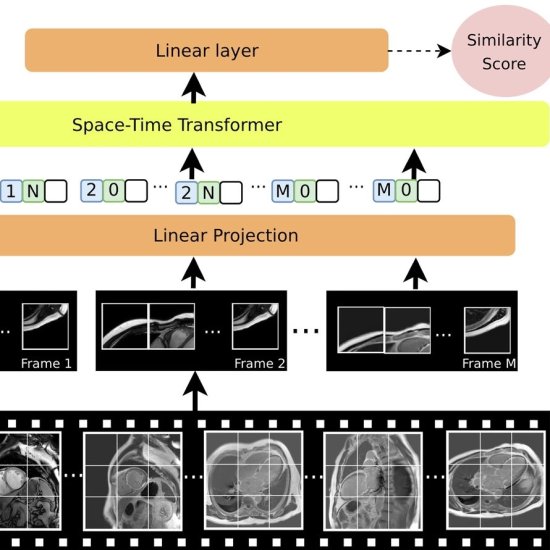
A team of researchers has developed an AI system capable of interpreting some of the most complex heart scans in medicine, cardiac MRI, without the need for manually labeled training data. |
|
News • Congenital heart condition
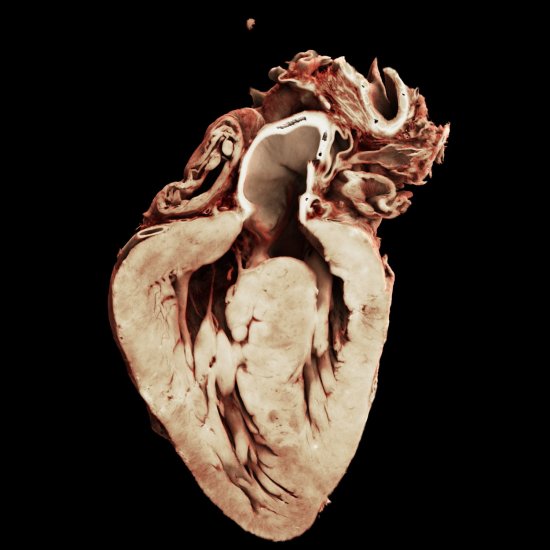
Researchers have produced the first 3D map of the heart’s electrical wiring in Tetralogy of Fallot, revealing features that may explain why many patients develop heart conduction disorders. |
|
News • Novel radiopharmaceutical therapy
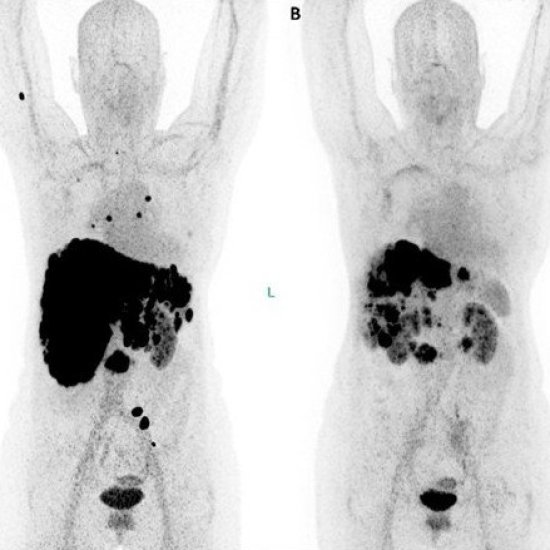
A new type of peptide receptor radionuclide therapy (PRRT) appears to be safe in metastatic neuroendocrine tumor patients who have exhausted conventional treatment options. |
|
News • Research on proximity impacts
Sleep disturbances, anxiety, suicide – wind turbines have been linked to a long list of health problems. But a new analysis finds no adverse outcomes. The danger, researchers say, lies elsewhere. |
|
News • Asynchronous evolution
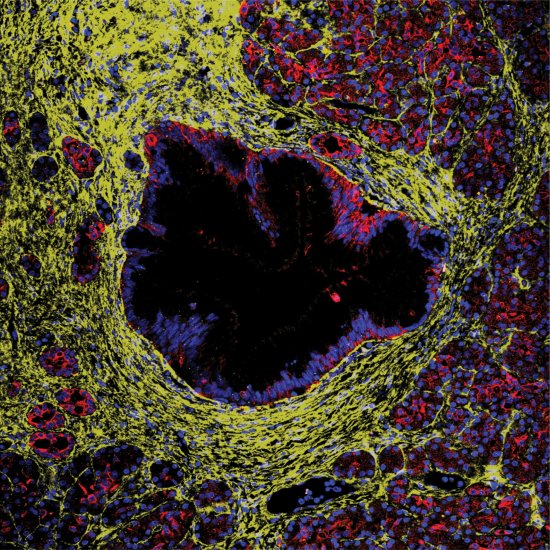
Pancreas lesions are of diagnostic concern, as they may evolve into pancreatic cancer – but many never do. New research findings help explain how the transformation into a malignant state works. |
|
News • Hooked to help
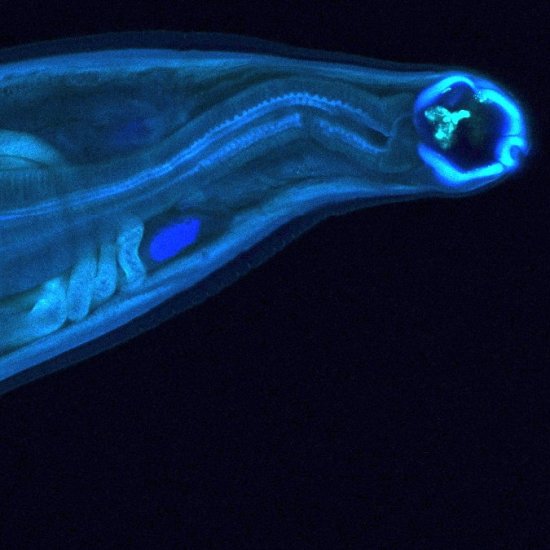
A hookworm can survive in the human gut for years. Researchers have now harnessed that biological mechanism, engineering a hookworm to produce and deliver a drug within a living host. |
|
ePaper
|
Article • Information & insights
The latest issue of EUROPEAN HOSPITAL is here! We cover promising applications of AI in surgery, latest developments in women's health, IT solutions for personalised patient management, and much more. Click here to read the ePaper. |
|
Events
|
|
|
|
|
|
|
| |
You are receiving this email because you subscribed to our newsletter on healthcare-in-europe If you don’t want to receive this newsletter anymore, click here to unsubscribe.
Keep up-to-date on the latest news from all hospital-related fields!
Subscribe to our bi-monthly newsletter. Copyright © 2026 mgo fachverlage GmbH & Co. KG.
All rights reserved. E.-C.-Baumann-Straße 5, 95326 Kulmbach, Germany
email: newsletter@european-hospital.com |
|



|
|