|
|
Contamination control in laboratories is a multifaceted challenge that extends well beyond routine surface disinfection. This edition's lead article explores how microbiological cleanliness must be embedded from the design stage through to daily operations, drawing on expert insights from the Labs Expo in Poznań. Further topics include lab-grown organoids modelling childhood epilepsy, how endometriosis rewires pain pathways in the brain, and progress toward cervical cancer elimination in Europe. Enjoy reading!
|
|
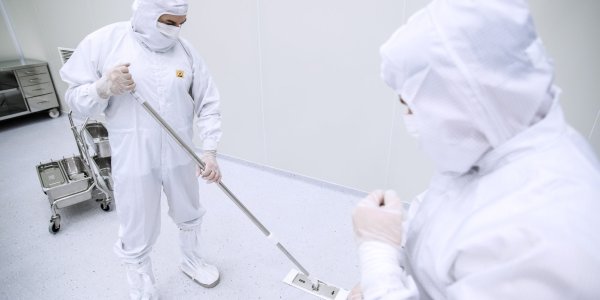 |
Article • Avoiding mistakes in design, equipment, validation, and operation
Microbiological cleanliness in laboratories demands far more than routine disinfection – it requires a comprehensive contamination control strategy from the very first design stage. At the Labs Expo trade fair in Poznań, Poland, industry experts ... |
News • Focal cortical dysplasia
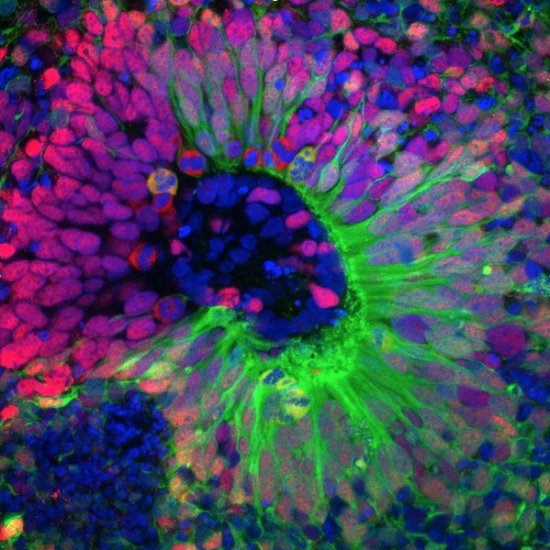
Why does the same genetic mutation cause FCDII in some patients but not in others? Researchers developed organoids to model a brain malformation responsible for drug-resistant epilepsy in children. |
|
News • Women's health
Repeated menstrual cycles may do more than trigger endometriosis – they may rewire the brain, a new study finds. Recurring inflammation can sensitize the nervous system, driving lasting pain. |
|
News • Vaccination milestones
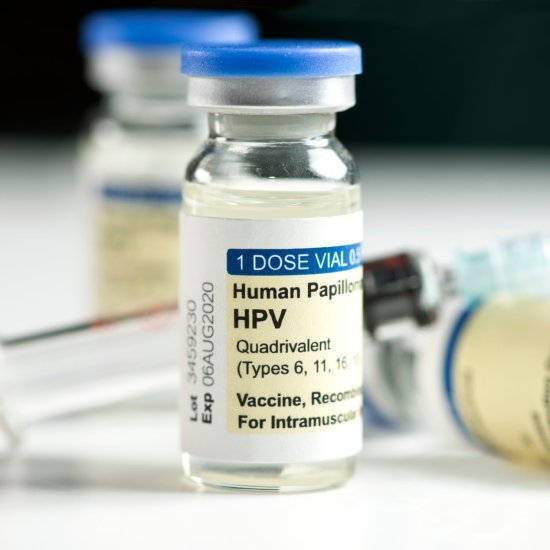
After 15 years of HPV vaccination programmes across Europe, growing evidence confirms their long-term effectiveness. A new report highlights steady progress in cancer prevention efforts. |
|
News • Swiss national study reveals
The incidence of colorectal cancer is rising among younger individuals, sometimes as early as their thirties. The research also shows the challenge of late diagnoses and calls for increased awareness. |
|
News • Mammary tumorigenesis
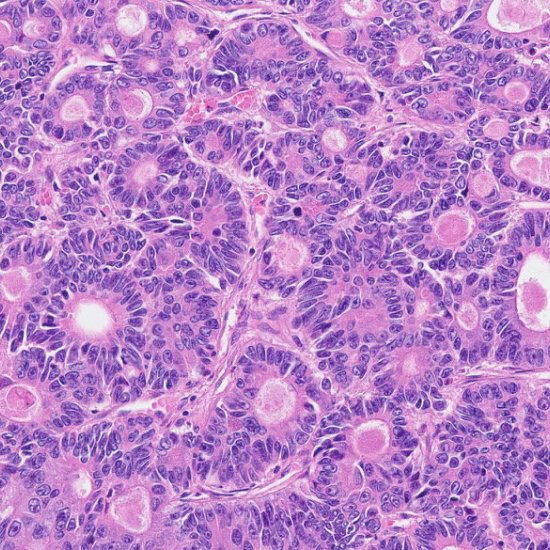
Not all precancerous lesions will develop into tumours, yet the majority are treated as if they were already breast cancer. A new marker could help identify the relevant cases and avoid overtreatment. |
|
News • Targeted analysis
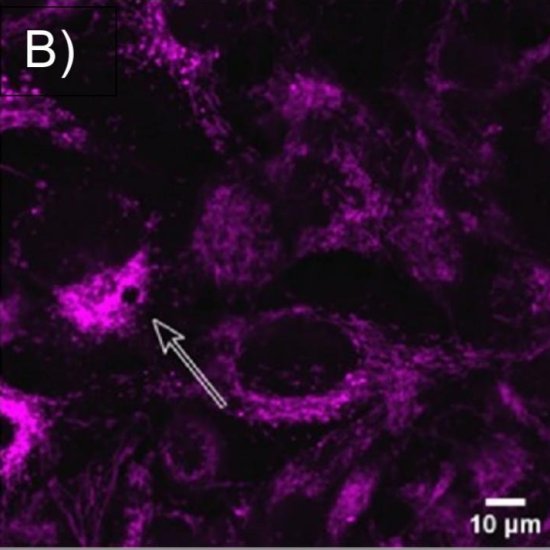
A new analytical method could improve how cancer treatments are designed – by allowing scientists to track, for the first time, exactly where inside a living cell a drug accumulates. |
|
News • Ventricle morphology
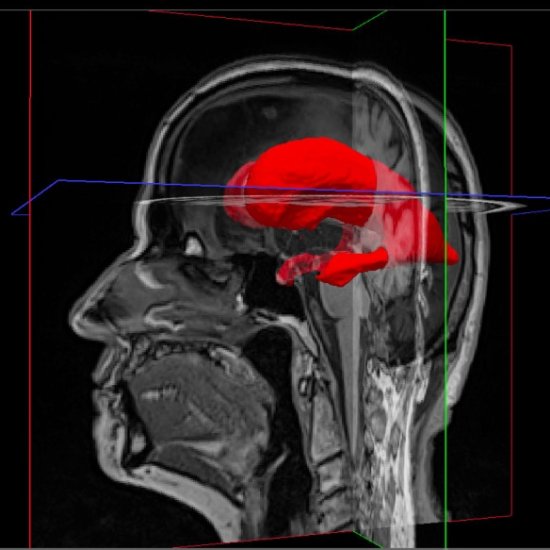
A 3D brain marker may help identify which patients with idiopathic normal pressure hydrocephalus (iNPH) benefit from shunt surgery – improving outcomes and sparing others from ineffective treatment. |
|
News • Combination of LIE and ECV markers
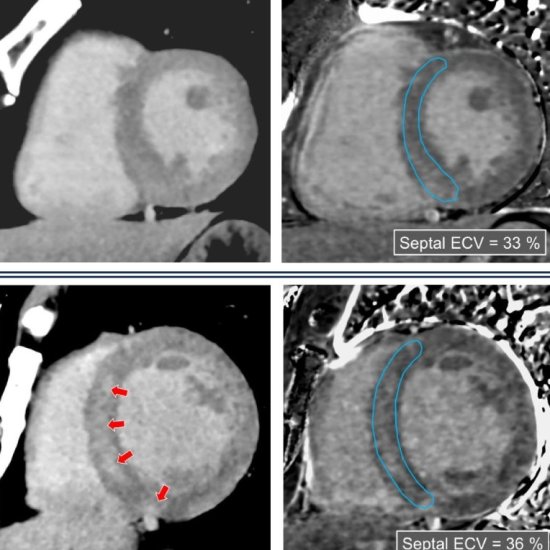
By combining two specific markers from a standard cardiac CT scan, researchers were able to identify patients at the highest risk for future heart failure and death. |
|
News • Lung function analysis
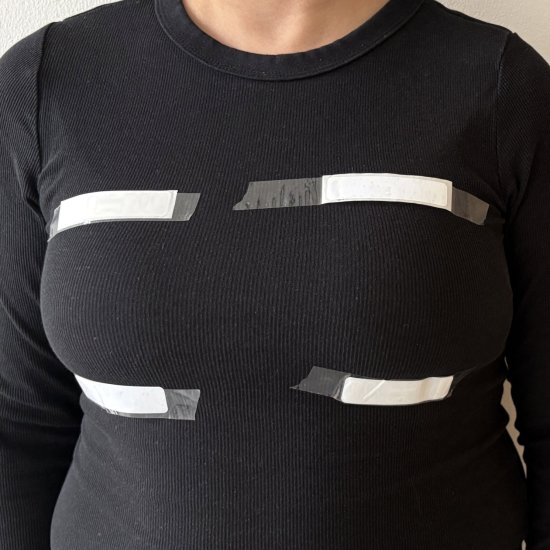
RFID – the same wireless technology that can track pets or locate items – can also be used to measure breathing in patients with impaired lung function contactlessly – in hospital or at home. |
|
News • Bone healing ‘superpower’
Most children with a broken wrist can be treated without surgery, a major trial finds, suggesting that a cast-first approach delivers similar long-term recovery while reducing risks and costs. |
|
News • Transplant organ acceptance
A new technique to “prime” a patient's immune system before liver transplantation has proven itself in a first-in-human clinical trial to successfully prevent transplant rejection. |
|
Events
|
|
|
|
|
|
|
|
|
|
19.05.2026 - 22.05.2026 |
Paris, France |
|
EuroPCR
|
|
|
|
|
|
| |
You are receiving this email because you subscribed to our newsletter on healthcare-in-europe If you don’t want to receive this newsletter anymore, click here to unsubscribe.
Keep up-to-date on the latest news from all hospital-related fields!
Subscribe to our bi-monthly newsletter. Copyright © 2026 mgo fachverlage GmbH & Co. KG.
All rights reserved. E.-C.-Baumann-Straße 5, 95326 Kulmbach, Germany
email: newsletter@european-hospital.com |
|



|
|