|
|
Personalised medicine continues to advance patient care through targeted diagnostics and biomarker-driven therapies. The newsletter examines how pathologists guide therapy personalisation for gastroesophageal and colorectal cancers, emphasizing the critical role of accurate biomarker detection. Advances in diagnostic imaging feature prominently, including innovations in molecular imaging technology and MRI-first approaches for prostate cancer diagnostics. Further topics cover emerging research on treatment resistance mechanisms, the impact of climate change on health, and a new approach to extend the battery life of pacemakers. Enjoy reading!
|
Advertisement
 |
|
|
 |
Article • Reshaping GI cancer care
Biomarker testing is ushering in a novel era of therapy personalisation for gastroesophageal and colorectal cancers, according to experts presenting at the 37th European Congress of Pathology in Vienna this September. During a session on ... |
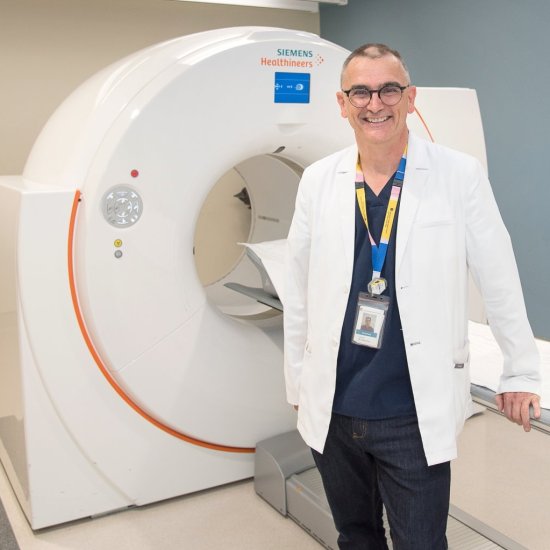
News • AI-powered systems and European market growth
At the 38th European Association of Nuclear Medicine (EANM) Congress, held from October 4–8 in Barcelona, United Imaging, a global manufacturer of cutting-edge medical imaging technology, showcases its most advanced AI-powered molecular imaging ... |
|
Interview • Shift from biopsy to imaging
Magnetic resonance imaging (MRI) holds great potential to spare men with suspected prostate cancer a painful biopsy. In our interview, Dr. Peter Seidensticker, Head of Medical Affairs Radiology at Bayer, outlines how MRI could be implemented as a ... |
|
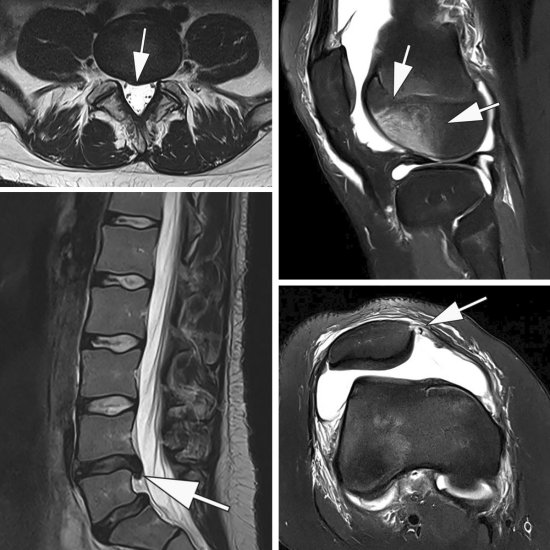
Article • Affordable, sustainable – but underused
At the 2025 ESMRMB Annual Meeting in Marseille, speakers made a strong case for what remains an outsider in radiology: low-field MRI. Despite its affordability, improved performance, and reduced environmental footprint, the technology continues to ... |
|
News • New imaging solution
A novel imaging solution, called PSMA PET scanning, can more effectively detect the recurrence of prostate cancer compared to standard methods, and is associated with improved survival outcomes. |
|
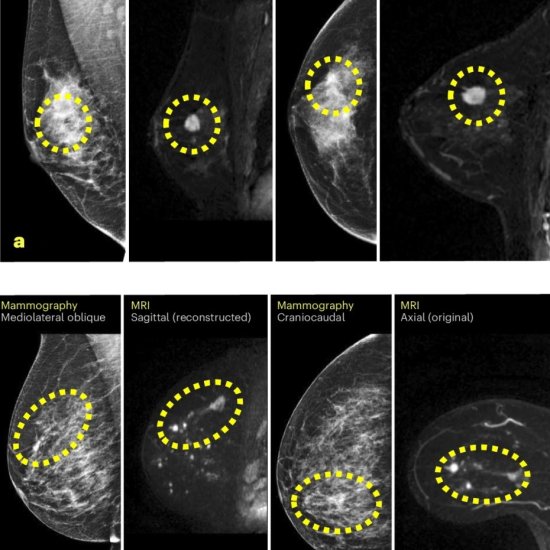
Article • Risk stratification initiatives in Europe and UK
About 60% women in Europe enrolled in a national breast cancer screening programme who have a screening mammogram can feel reasonably confident that radiologists will be able to diagnose early-stage breast cancer. But what about the 30% categorised ... |
|
News • Research reveals infiltrating microbes
Researchers have discovered a previously unknown mechanism that explains how bacteria within a tumor can drive treatment resistance in patients with oral and colorectal cancer. |
|
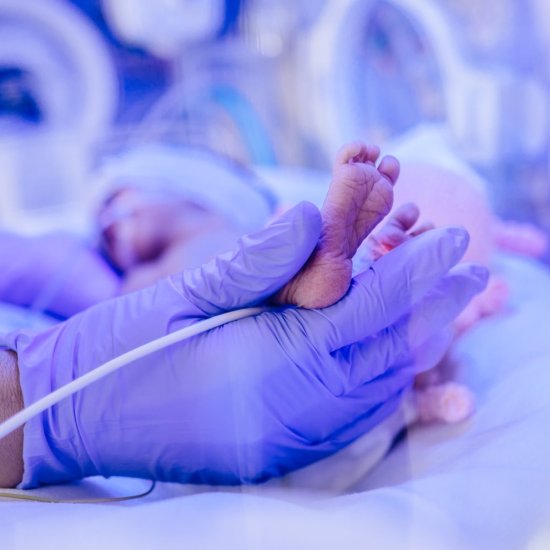
News • Genomic care in the NICU
In the NICU, a few hours can mean the difference between unnecessary procedures and targeted, life-saving treatment. A new speed record for WGS opens new diagnostic possibilities. |
|
News • Health effects of global warming reach new heights
Climate change is claiming millions of lives every year, a new global report finds. The rate of heat-related casualties alone has climbed to 546,000 per year – more than one death every minute. |
|
News • Eco-friendliness and confidence
Many doctors shy away from discussing the aspect of a treatment's sustainability with their patients, expecting a negative reaction. Now, a new study suggests that these fears may be unfounded. |
|
News • Polycystic ovary syndrome
Not all PCOS is the same: Researchers identified four subgroups with distinct symptoms and different responses to treatment – opening the door to precision medicine for millions of women worldwide. |
|
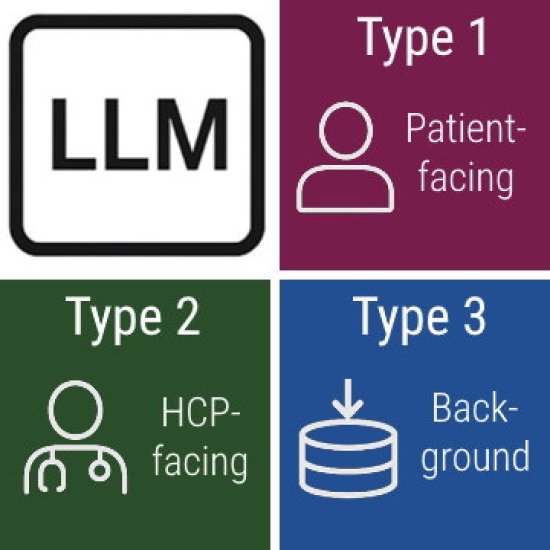
News • AI in cancer care
Underscoring the growing role of large language models (LLM) in cancer care, ESMO released the first structured set of recommendations to bring AI language models into oncology safely and effectively. |
|
News • Preventing periprosthetic femoral fractures
Postoperative femoral fracture—a break in the thigh bone near the hip joint—is a common complication after total hip replacement. A new study explores how implant design can reduce this risk. |
|
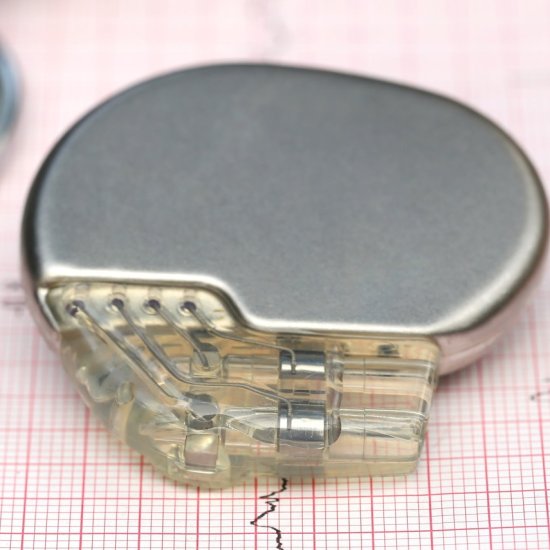
News • Implant longevity
Pacemakers have a range of different functions, not all of which are needed for every patient – switching off unnecessary features could help extend the battery life of the devices by several years. |
|
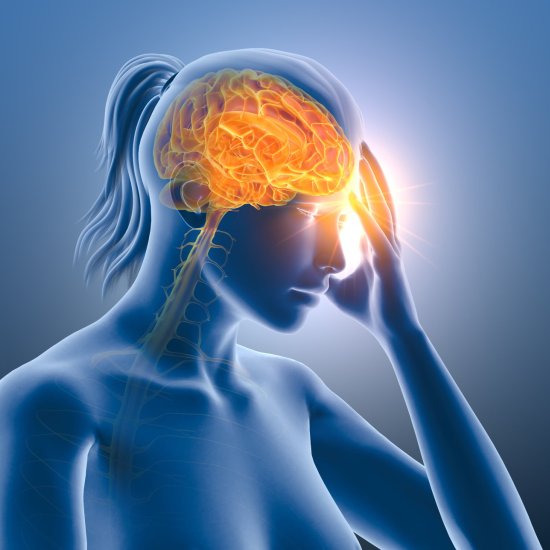
News • Transition changes
During menopause, many women experience forgetfulness, trouble concentrating, and mental fatigue. A new review explores the link between brain changes during menopause and these symptoms. |
|
News • Neurostimulation system
A novel subretinal implant could help patients with age-related macular degeneration (AMD) partially restore eyesight, a new study shows. Participants recovered their ability to read letters, numbers and words. |
|
Personalia
|
 Sophie Nicklaus
|
|
Events
|
|
|
|
|
|
17.11.2025 - 20.11.2025 |
Düsseldorf, Germany |
|
MEDICA 2025
|
|
|
|
|
|
| |
You are receiving this email because you subscribed to our newsletter on healthcare-in-europe If you don’t want to receive this newsletter anymore, click here to unsubscribe.
Keep up-to-date on the latest news from all hospital-related fields!
Subscribe to our bi-monthly newsletter. Copyright © 2026 mgo fachverlage GmbH & Co. KG.
All rights reserved. E.-C.-Baumann-Straße 5, 95326 Kulmbach, Germany
email: newsletter@european-hospital.com |
|



|
|