|
|
Climate change is no longer a distant threat but a present-day respiratory health crisis. This edition examines how heatwaves, Desert dust storms, and flooding damage lung health across Europe, and highlights policy and clinical responses already proving effective. Further topics include a new EU-funded initiative to accelerate AI adoption in cardiovascular care, drone-delivered defibrillators shortening response times in cardiac arrest, and PSMA PET/CT-targeted biopsy improving prostate cancer detection. Enjoy reading!
|
|
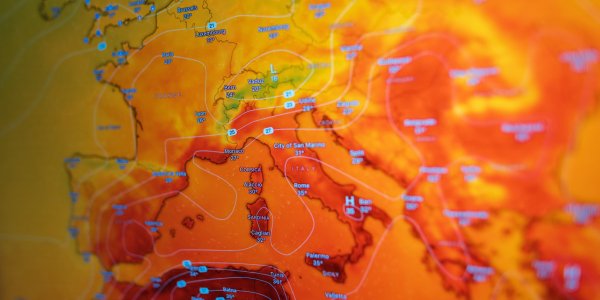 |
Article • Respiratory health in a warming world
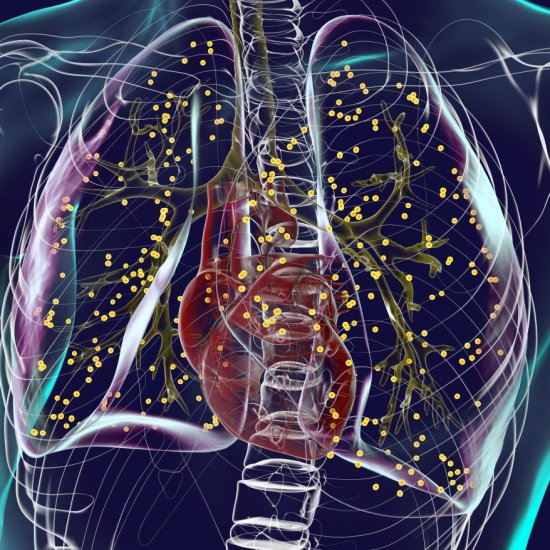
Heatwaves killing thousands of Europeans every summer, desert dust settling over cities that have never seen a desert, and floodwaters destroying entire valleys, leaving mouldy homes: The effects of global warming on lung health are becoming ever ... |
Sponsored • Breast imaging
From population-based mammography screening to more nuanced, risk-adapted models: Emerging technologies, among them contrast-enhanced mammography and contrast-enhanced MRI, as well as next-generation contrast agents, are opening new paths for breast ... |
|
News • Cardiovascular Health Data and AI Network
AI offers major opportunities to improve heart health, however, current use is fragmented. A new project aims to turn the technology's promise into better cardiovascular care. |
|
News • Emergency medicine
Drones could be used to deliver automated external defibrillators (AEDs) to where a person is suffering an out-of-hospital cardiac arrest, according to a study presented at the EUSEM Congress. |
|
News • Combined approach
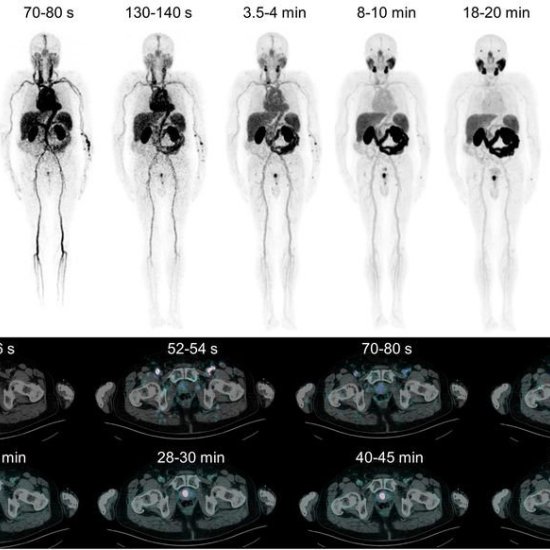
A combined approach of two biopsy techniques involving PSMA PET/CT may help identify clinically significant prostate cancer that would otherwise be difficult to detect, according to new research. |
|
News • Organ-preserving treatment
Novel radiotherapy may save increasingly many rectal cancer patients from surgery and stoma. Finland is at the forefront of implementing this novel treatment. |
|
News • Preventive transmission model
Many cancer treatments leave their recipients immunocompromised and at greater risk of infection. A new transmission model aims to better prevent transmission in hospitals' oncology wards. |
|
News • Pooled TB testing strategy
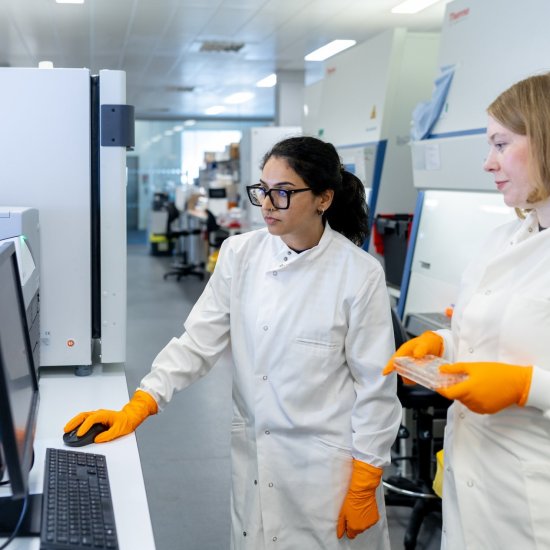
Global efforts to tackle tuberculosis are hampered by the large number who remain undiagnosed, untreated and unknowingly spreading TB. A new study proposes a rapid diagnosis workflow to fix this. |
|
News • Women's health
Ovaries do not just cease to function after menopause.
In a new study, scientists found that the ovary remains biologically active for decades - with implications for cancer and other diseases. |
|
News • Study reveals gender inequalities
Women with autoimmune diseases are significantly more likely than men to have their autoimmune disease misdiagnosed as a psychiatric or psychosomatic condition, according to a new study. |
|
News • Gynaecologic oncology
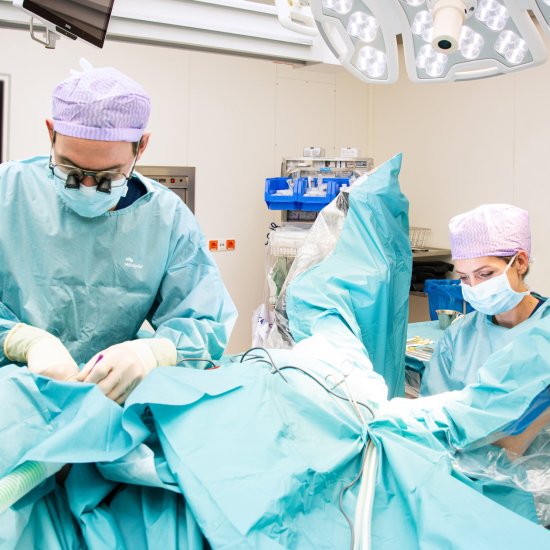
Surgery for vulvar cancer can save lives, but also significantly affect a woman's sexual function and quality of life. Now, a new surgical technique makes it possible to restore the clitoris. |
|
News • Promising procedure
Doctors have performed a procedure to transplant a young man's testicular tissue that was frozen before he underwent chemotherapy, in a potential breakthrough for male fertility preservation. |
|
News • Study on differing connectivity gradients
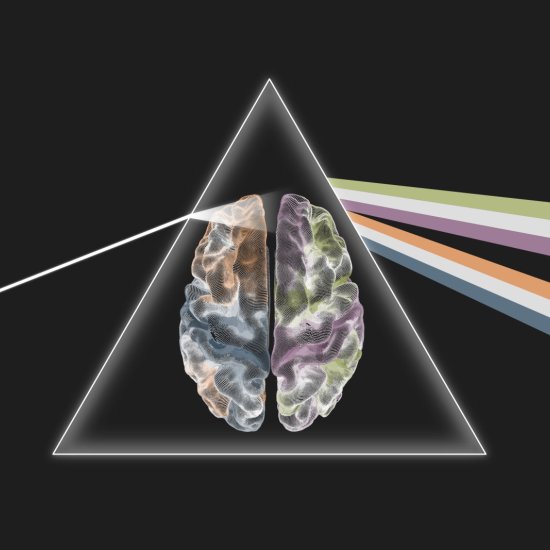
Normal aging and Alzheimer’s disease reshape communication across the brain in distinct patterns. By differentiating these patterns, researchers are developing a new way for early detection. |
|
News • Medical materials
A new self-disinfecting fabric uses visible light to eliminate bacteria, fungi and viruses in hospital settings. The manufacturing process could be easily implemented for hospital-use textiles. |
|
News • Airway bacteria
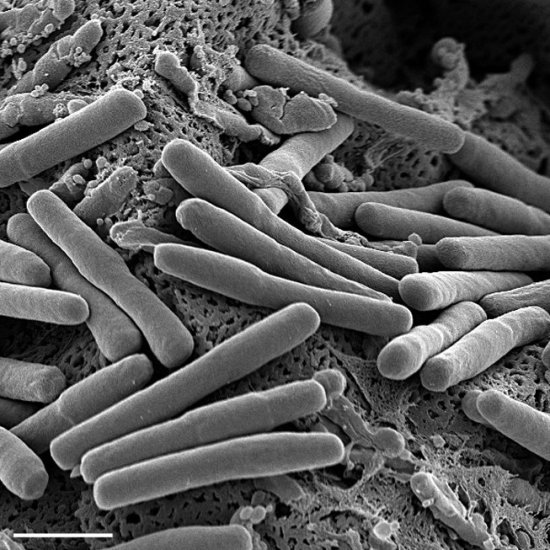
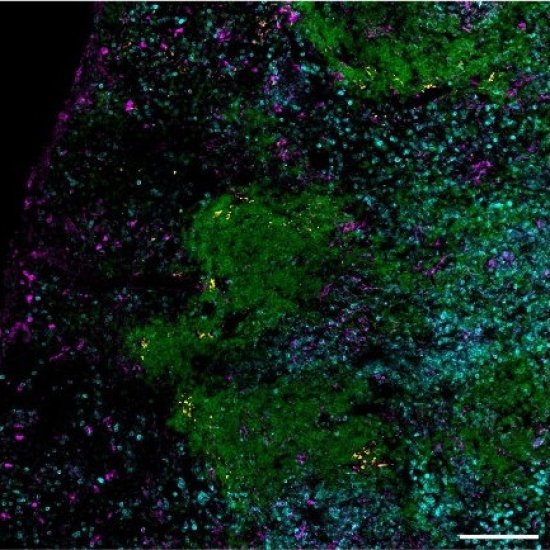
A study of more than 700 people has shown that those with long Covid have a distinctly different mix of bacteria – the microbiome – that live in their mouths and lungs. |
|
News • Study shows long-term benefits
Vaccination not only prevents disease caused by acute infection: it also protects against long-term immune-related consequences that can follow an acute viral infection, a new study finds. |
|
Events
|
|
|
|
|
|
|
|
|
|
|
| |
You are receiving this email because you subscribed to our newsletter on healthcare-in-europe If you don’t want to receive this newsletter anymore, click here to unsubscribe.
Keep up-to-date on the latest news from all hospital-related fields!
Subscribe to our bi-monthly newsletter. Copyright © 2026 mgo fachverlage GmbH & Co. KG.
All rights reserved. E.-C.-Baumann-Straße 5, 95326 Kulmbach, Germany
email: newsletter@european-hospital.com |
|



|
|