|
|
One scan, two patients: abdominal pain during pregnancy poses a unique diagnostic dilemma for radiologists. This edition's lead article examines how MRI, ultrasound, and CT compare in balancing diagnostic accuracy with fetal safety, drawing on expert insights presented at the European Congress of Radiology. Further topics include reshaping women's healthcare pathways in the UK, new approaches for cardiac imaging and noninvasive pacemakers, and frictions in medical AI implementation. Enjoy reading!
|
|
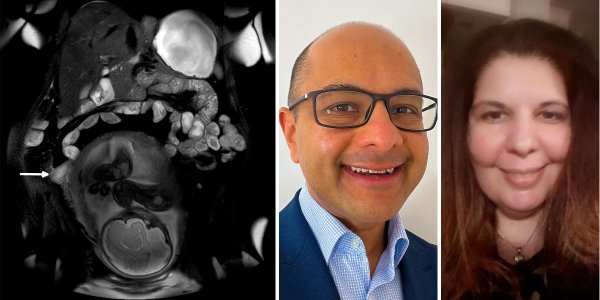 |
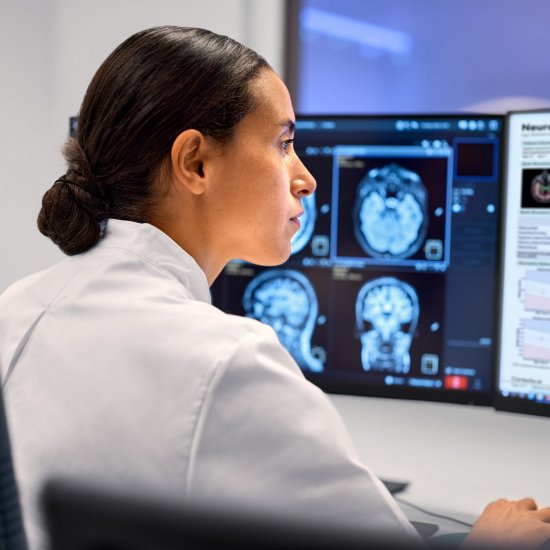
Article • Choosing the right modality for expectant mothers
Imaging pregnant women with acute abdominal pain remains a significant clinical challenge – not only because of concerns about the impact on the unborn child, but also due to the anatomical changes that can obscure diagnosis. At the European ... |
Article • Experts call for joined-up NHS services
Fragmented care pathways, persistent data gaps and a ‘postcode lottery’ of services continue to undermine the quality of healthcare for women across the United Kingdom. At the HETT25 conference in London, a panel of experts from primary and ... |
|
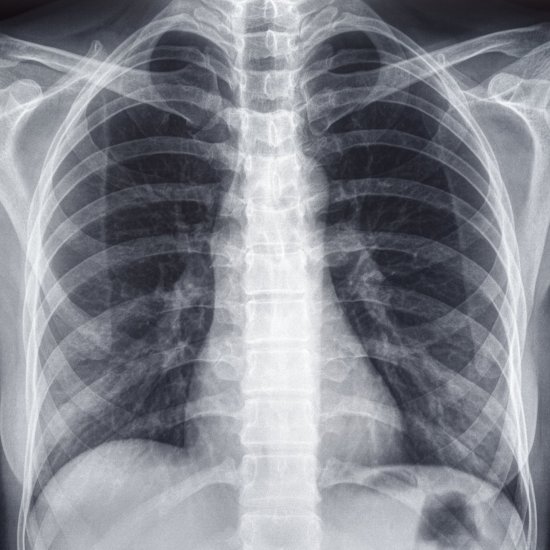
News • Dynamic chest radiography
Researchers developed a simple, rapid, and low-dose X-ray technique to evaluate the severity of pulmonary valve regurgitation – a common complication after surgical repair of Tetralogy of Fallot. |
|
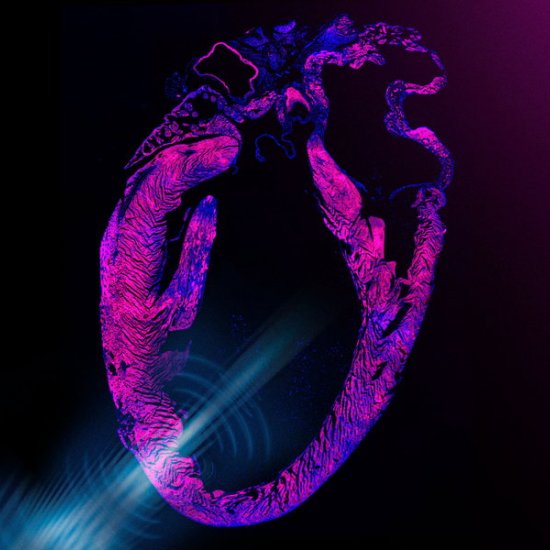
News • Sticker health
Engineers have developed a noninvasive pacemaker that stimulates the heart using ultrasound. The design could one day provide a surgery-free alternative to traditional cardiac implants. |
|
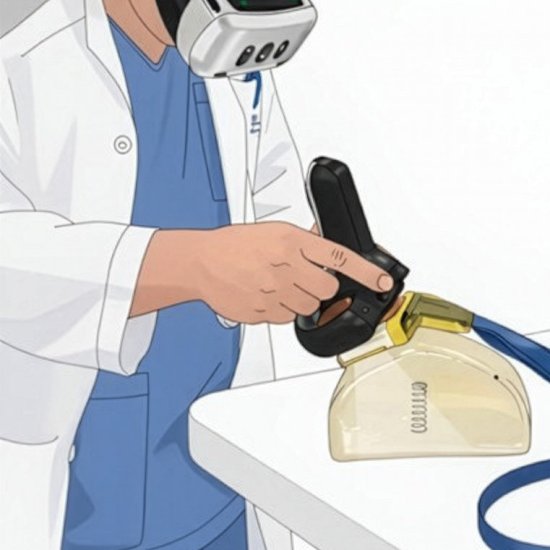
Video • 3D augmented-reality imaging
Ultrasound imaging is notoriously difficult to master, as the operator has to mentally arrange a 3D object from 2D images. A new approach using augmented reality (AR) could help speed up the training. |
|
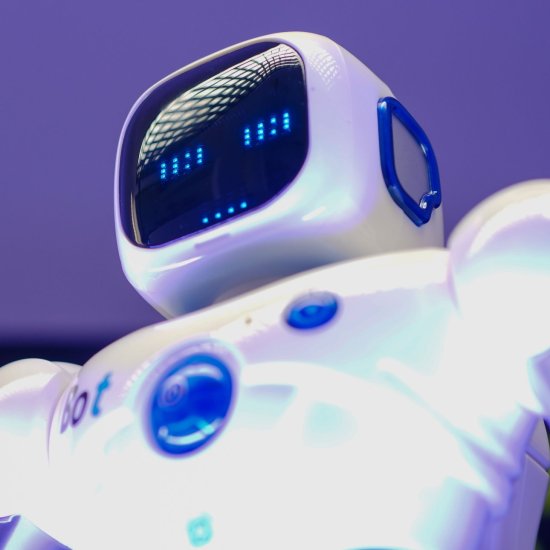
News • Patient perception
"Let's book you in": AI chatbots are generally seen as a welcome tool for managing medical screening appointments. However, too much of a good thing can backfire, a new study finds. |
|
News • Future Health Index global report
Improved detection of clinical errors and time-saving on the one hand, inadequate training on the other: the latest Future Health Index points out benefits and challenges of medical AI integration. |
|
News • Study on digital health literacy
Seeking health information online does not automatically improve people’s health behaviour, finds a new study. The results show the need for improving digital literacy to reduce health inequalities. |
|
News • Genicular artery embolization
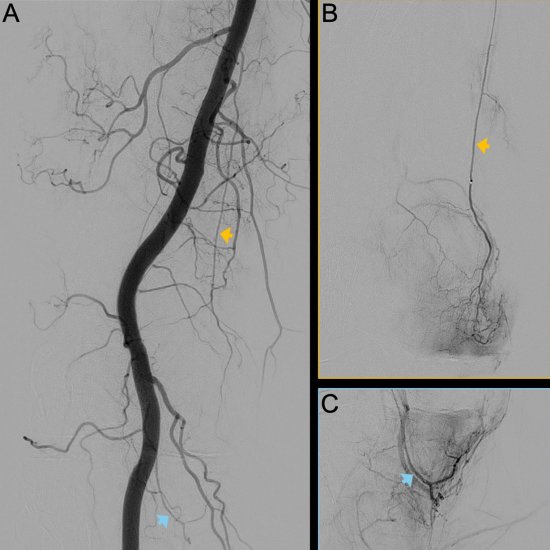
For patients with knee osteoarthritis, for whom injections no longer provide sufficient relief, but joint replacement is also not an option, a minimally invasive treatment might offer an alternative. |
|
News • Impact beyond weight loss
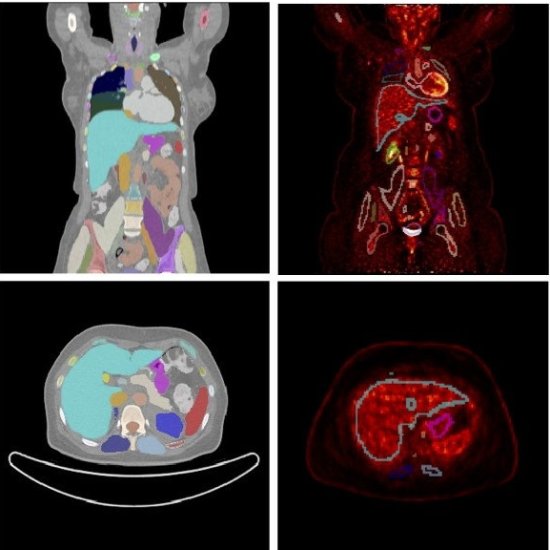
A novel PET imaging framework reveals that bariatric surgery impacts not only body weight, but also the metabolic function of organs. These insights could support more precise treatment monitoring. |
|
News • Additive manufacturing
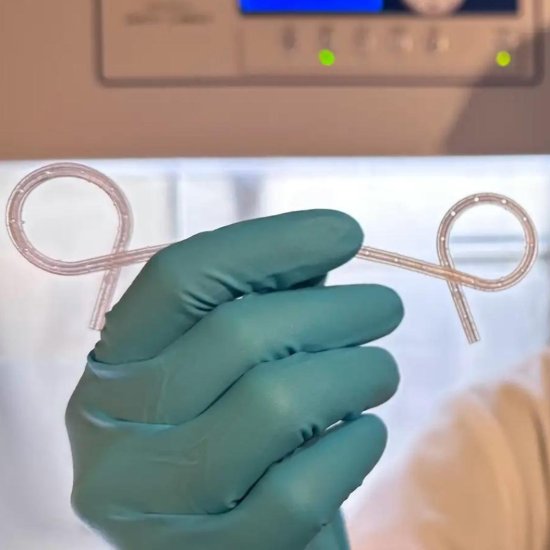
To treat gastric leaks after weight loss surgery, doctors usually rely on a device not suited for the task. This may result in further complications. A redesigned stent could help fix this issue. |
|
Article • Digital pathology
AI is transforming the way cancer is diagnosed and treated. Dr Yuri Tolkach shared his group's advances in developing AI-based tools for oncological pathology at the DPAI Europe congress. |
|
News • Temporal interference stimulation
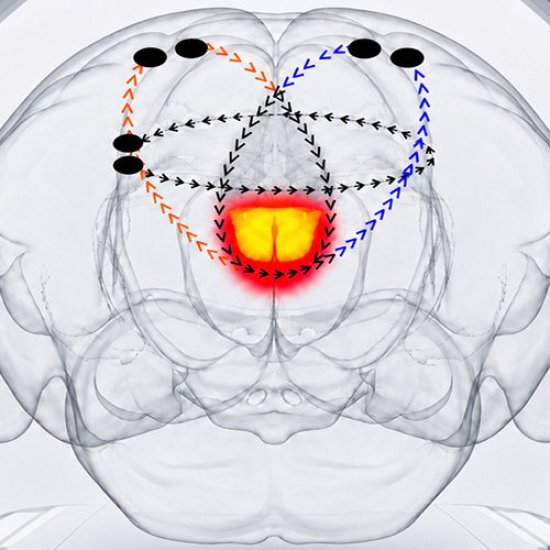
A promising technology enables deep brain stimulation without the need to surgically implant electrodes. This could pave the way for its use in the treatment of neurological and psychiatric disorders. |
|
Personalia
|
 Prof. Johanna Joyce
|
|
Events
|
|
|
|
|
|
|
|
|
|
|
| |
You are receiving this email because you subscribed to our newsletter on healthcare-in-europe If you don’t want to receive this newsletter anymore, click here to unsubscribe.
Keep up-to-date on the latest news from all hospital-related fields!
Subscribe to our bi-monthly newsletter. Copyright © 2026 mgo fachverlage GmbH & Co. KG.
All rights reserved. E.-C.-Baumann-Straße 5, 95326 Kulmbach, Germany
email: newsletter@european-hospital.com |
|



|
|