|
|
Healthcare systems remain prime targets for cyberattacks due to fragmented security standards and vulnerable infrastructure. At ECR 2026, experts demonstrated how hidden prompt injections and data poisoning can compromise AI-based radiology workflows, with potentially devastating clinical consequences. The increasing use of AI-driven diagnostics also raises the question of how these technologies are addressed in patient communication. Additional topics cover digital spatial profiling in kidney histopathology and new insights on breast cancer, multiple sclerosis and long Covid. Enjoy reading!
|
Advertisement
 |
|
|
 |
Article • ECR 2026 explores LLM-based vulnerabilities
One phishing email sends an entire county’s health service back into the age of pen and paper for months. A hidden prompt is buried within an abdominal CT image: At ECR 2026 in Vienna, cybersecurity experts presented real-world cases that read ... |
News • Between AI law and patient reality
"Why did the computer conclude this?": Patients increasingly scrutinize the impact of AI on medical diagnostics. A new article explores the tension between transparency and legal frameworks. |
|
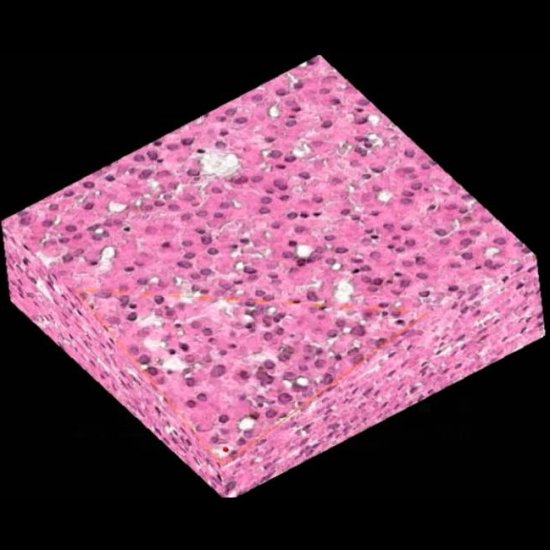
News • Histopathology tool
A new X-ray imaging technique could transform how hospitals analyse tissue samples, potentially speeding up diagnoses and improving outcomes for patients, a new study shows. |
|
Article • Advancing kidney disease investigation
Digital spatial profiling (DSP) is emerging as a powerful technology in helping specialists investigate complex kidney disease, according to a leading expert. Professor Renate Kain believes spatial profiling adds significantly to systems biology ... |
|
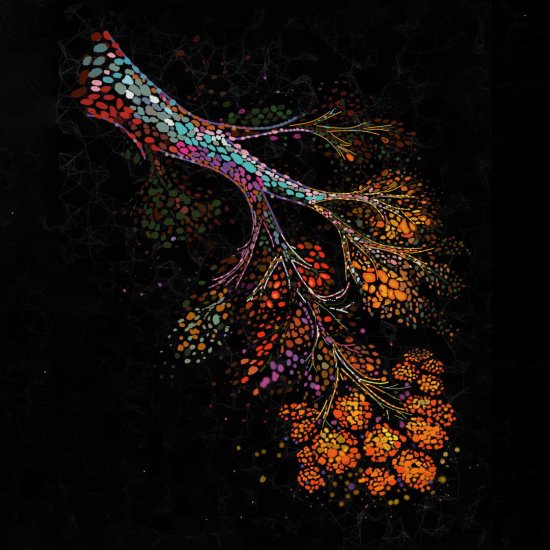
News • Single-cell spatial atlas
As women age, their breast tissue goes through major changes, with the most dramatic changes at menopause, but also during pregnancy and childbirth. A map reveals the impact on breast cancer. |
|
News • Treatment de-escalation
The chances of breast cancer recurring remain very low when patients are treated with radiotherapy that is tailored to their individual risk following chemotherapy and surgery, new study results find. |
|
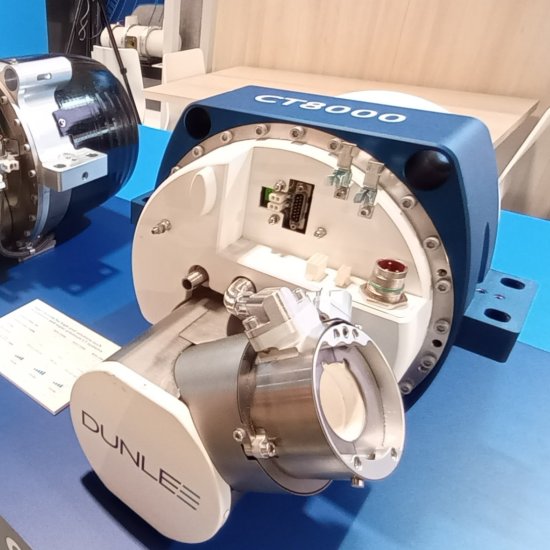
Article • Dunlee Whitepaper Presentation at ECR 2026
Detector technology gets most of the attention in modern CT systems – but a new whitepaper by Dunlee, presented at ECR 2026, argues that the X-ray tube is equally decisive. |
|
Article • Exploring unspoken systems
Medicine has long been regarded as a profession rooted in collaboration. From multidisciplinary teams to shared clinical decision-making, the system depends on cooperation to function effectively. However, behind this collaborative façade exists a ... |
|
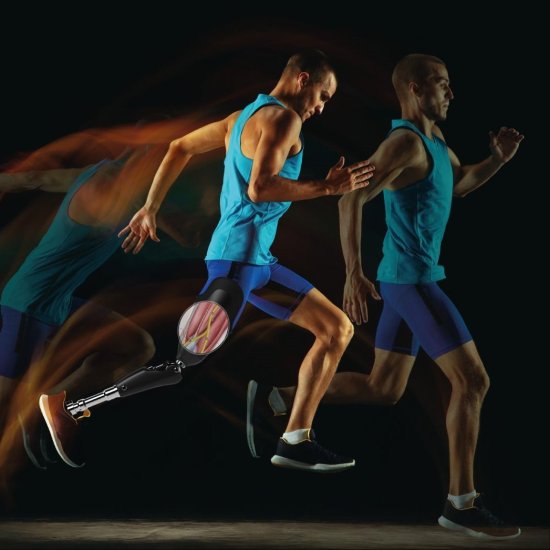
News • Decoding phantom limb movements
Using novel implantable neurotechnology and AI, researchers found a new way to make future leg prostheses feel and act more like a natural part of the body. |
|
News • Study explores 30-year trends
People with multiple sclerosis (MS) now live significantly longer, thanks to advances in treatments and care, a new study finds. However, inequalities remain, with higher mortality in deprived areas. |
|
News • Dolosigranulum pigrum
Scientists have discovered the protective role of a bacterium that could prevent long Covid. Their discovery could lead to the development of new therapy approaches. |
|
Events
|
|
|
|
|
| |
You are receiving this email because you subscribed to our newsletter on healthcare-in-europe If you don’t want to receive this newsletter anymore, click here to unsubscribe.
Keep up-to-date on the latest news from all hospital-related fields!
Subscribe to our bi-monthly newsletter. Copyright © 2026 mgo fachverlage GmbH & Co. KG.
All rights reserved. E.-C.-Baumann-Straße 5, 95326 Kulmbach, Germany
email: newsletter@european-hospital.com |
|



|
|