|
|
Reflecting on twelve months of medical progress, this year's most-read articles tell the story of 2025 in healthcare: a year marked by technological leaps, scientific breakthroughs, and clinical innovations. Our readers were especially interested in the regulatory challenges for robot-assisted surgery in Europe, the evolution of medical 3D printing, and the latest applications of generative AI, for example in patient communication. Research advances include new insights into Long Covid – a condition that stays relevant in the fifth year after the pandemic's onset – and the discovery of immune tolerance mechanisms honored with the Nobel Prize. Meanwhile, the widely hyped "weight-loss drug" class of GLP-1 agonists revealed unexpected downsides, notably in cancer imaging. Enjoy reading, stay healthy and stay tuned for new exciting developments in 2026!
|
|
 |
Article • New technologies, old limitations?
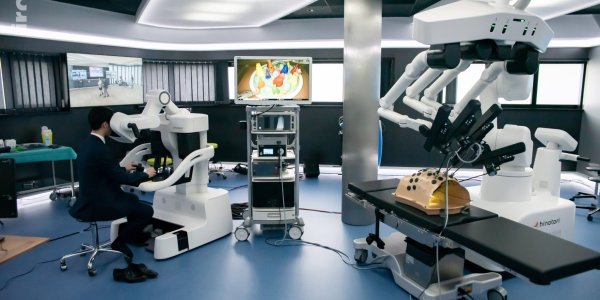
The use of surgical robots offers a wide range of possibilities, but in Europe the technology is often unable to reach its full potential. Dr. med. Christoph Wandhöfer explains why. |
Article • Technology applications
From personalized medical guides and implants to advanced surgical planning solutions: 3D printing and visualization has seen considerable growth over the past years and is already making a significant impact in healthcare. AI, cloud, and ... |
|
News • Weight loss and diabetes medication
GLP-1 receptor agonists are widely prescribed for individuals with diabetes and weight loss. However, these medications may adversely affect the interpretation of cancer imaging, new research finds. |
|
News • Peripheral immune tolerance
The 2025 Nobel Prize in Physiology or Medicine is awarded to three researchers for their insights into peripheral immune tolerance - how our immune system is kept from attacking our own body. |
|
Article • Exploring imaging advances and their impact on radiographers
Breast MRI has emerged as a powerful diagnostic tool, particularly for women with dense breast tissue where traditional mammography faces limitations. In her presentation at ECR 2025, radiographer Hanna Kalliomäki highlighted several technological ... |
|
Article • Freezing cancer cells
Cryoablation, the destruction of malignant cancer cells by freezing them, is increasingly becoming an alternative to having conventional lumpectomy for patients diagnosed with early-stage, localised, low-risk breast cancer. Findings from numerous ... |
|
Video • Empathetic avatar
A virtual medical receptionist named “Cassie,” developed through research at Texas A&M University, is designed to transform the way patients interact with health care providers. |
|
News • Viral persistence in the brainstem
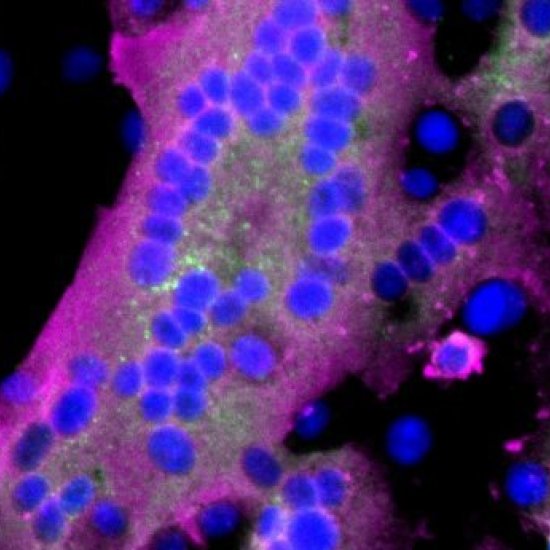
After an infection with the coronavirus Sars-CoV-2, the virus is able to persist at low levels in the brainstem, new research finds. This helps explain some of the enduring neurological symptoms. |
|
News • Affordable, wearable solution
Using vibrations to help people living with Parkinson's disease regain motor control: Engineering students have created a special glove that aims to reduce the symptoms of the condition. |
|
Article • Medical Taiwan 2025
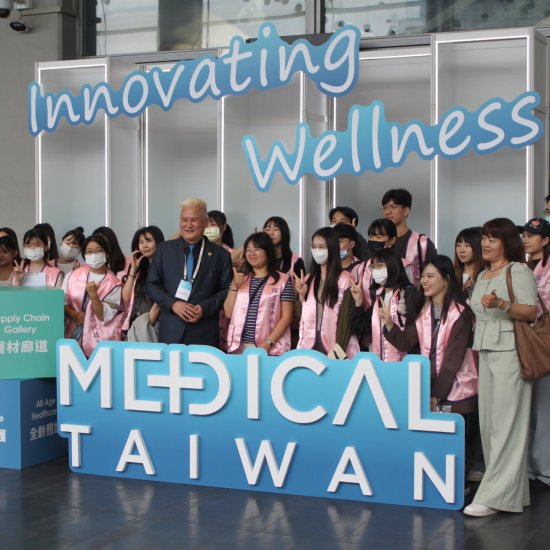
Medical Taiwan has long been a showcase for cutting-edge healthcare solutions, but this year marked a pivotal moment. Visitors of the latest edition of the medical, health and care expo in Taipei witnessed a particularly noticeable step forward: the ... |
|
News • EGFR-mutated non-small cell lung cancer
In metastatic EGFR-mutated non-small cell lung cancer (NSCLC), targeting residual disease through surgery can extend the benefits of EGFR TKI therapy beyond standard monotherapy, a new study finds. |
|
News • Self-diagnosis survey
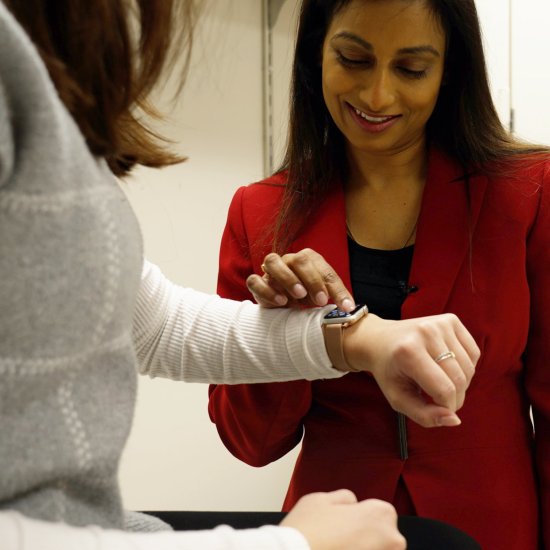
A survey found that many Americans use a device to monitor their heart, but few share that data with their doctor. Cardiologists explain when findings should be discussed with a medical professional. |
|
News • Automated structure outlining
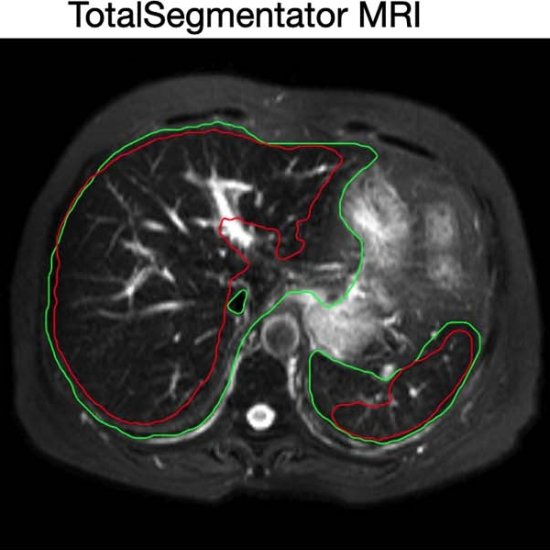
A new open-source automated MRI segmentation tool is setting new standards, developers say. It adapts to any new dataset with minimal user intervention, outperforming similar tools. |
|
News • Digital health competence education
"This is a pivotal moment for European healthcare education," says project leader Minna Isomursu about the start of SUSA, a collaboration to advance sustainable practices in healthcare. |
|
News • Multifunctional wearable
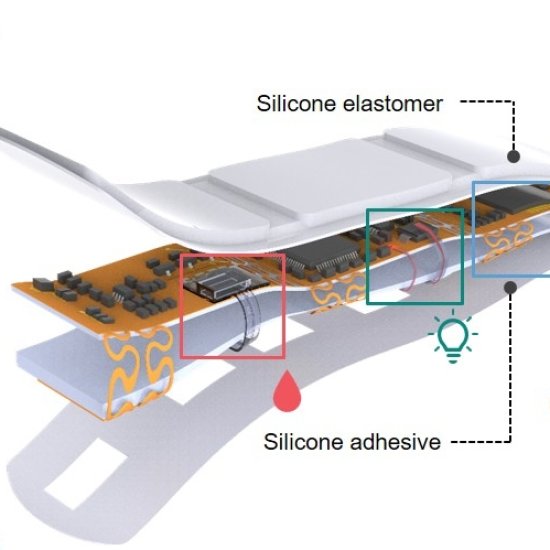
Researchers developed a smart patch capable of real-time biometric signal monitoring and drug delivery. Potential applications include glucose management, pain relief, and chronic disease treatment. |
|
|
|
| |
You are receiving this email because you subscribed to our newsletter on healthcare-in-europe If you don’t want to receive this newsletter anymore, click here to unsubscribe.
Keep up-to-date on the latest news from all hospital-related fields!
Subscribe to our bi-monthly newsletter. Copyright © 2026 mgo fachverlage GmbH & Co. KG.
All rights reserved. E.-C.-Baumann-Straße 5, 95326 Kulmbach, Germany
email: newsletter@european-hospital.com |
|



|
|