|
|
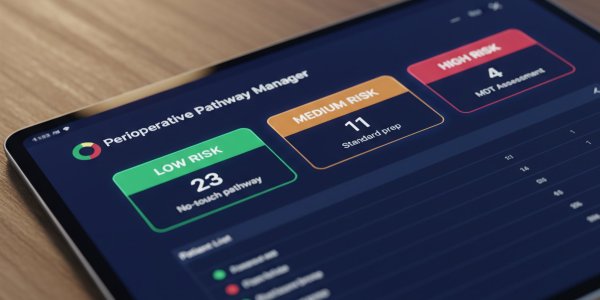
Innovative digital tools are reshaping how hospitals manage surgical pathways. This edition explores how a smart waiting list system helps clinicians distinguish low-risk from high-risk patients, significantly reducing appointment times and improving patient flow. Also featured: mathematicians devise a new way to protect medical imaging data against cyberattacks, experts envision what AI-driven radiology might look like in 2050, and GLP-1 weight loss drugs show promise in preventing complications after myocardial infarction. Enjoy reading!
|
|
 |
Article • Perioperative pathways
Digital solutions that integrate surgical waiting lists with GP records are helping hospitals improve perioperative pathways and reduce unnecessary appointments. Dr Simon Rang, Consultant Anaesthetist at East Kent Hospitals University NHS Foundation ... |
Sponsored • Healthcare technology exhibition
As healthcare systems worldwide accelerate digital transformation, international buyers and healthcare providers are increasingly seeking reliable partners capable of delivering innovative medical technologies, integrated digital solutions, and ... |
|
News • Image encryption approach
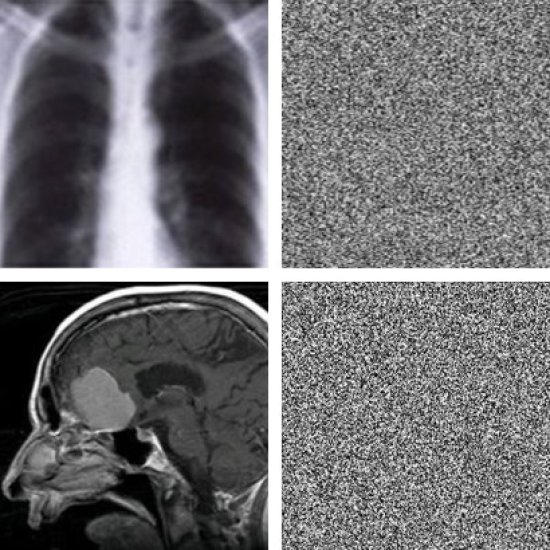
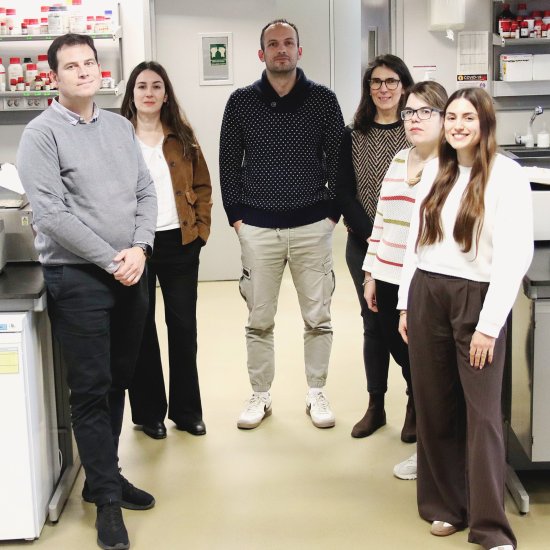
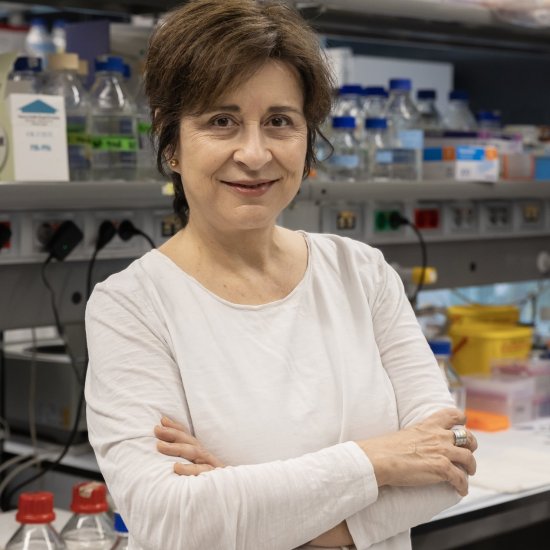
Leveraging the power of chaos theory, experts have developed a new way to encrypt medical images such as X-ray, CT and MRI scans, keeping them secure even if hospital networks are breached. |
|
Sponsored • New study data presented at ECR 2026
At this year’s European Congress of Radiology (ECR) in Vienna, Bayer presented new data on a contrast agent that could transform MRI imaging: gadoquatrane, which requires up to 60% less gadolinium than previous standard macrocyclic preparations ... |
|
Article • ECR 2026 imagines the future of the field
Diagnostic imaging without actual images, but with sleek and shiny scanners; no more radiology and pathology departments, but virtual patient models and AI-enhanced surgical precision: At this year's European Congress of Radiology (ECR) in ... |
|
News • Molecular imaging
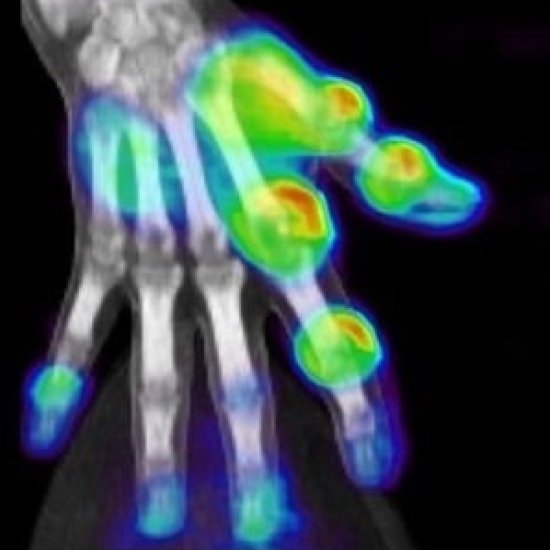
A new targeted PET/CT tracer can detect treatment response in rheumatoid arthritis patients in as little as four weeks, and potentially even at the start of treatment, according to new research. |
|
News • Nuclear imaging in urology
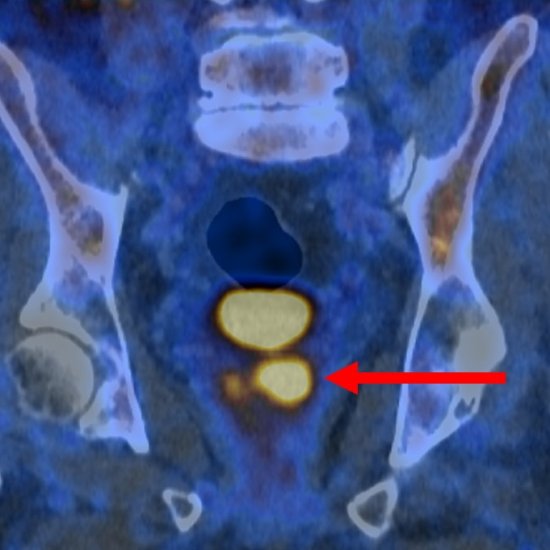
A PSMA PET/CT imaging test could safely halve the number of people who need a biopsy for suspected prostate cancer following inconclusive or reassuring results from an MRI scan, new research finds. |
|
News • Comparison study
Prostate cancer screening compares favourably to screening for breast cancer in identifying significant cancers, reducing mortality and avoiding unnecessary harms, says new research. |
|
News • Quantification of arterial calcifications
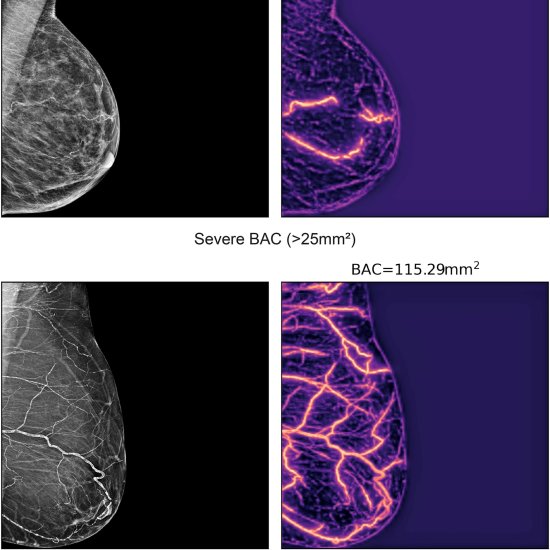
Breast cancer screening could also be used to screen for cardiovascular disease, new research suggests: The risk of serious or fatal heart disease can be predicted with AI analysis of mammograms. |
|
News • Unexpected similarities
Researchers discovered that pineoblastoma, retinoblastoma and medulloblastoma – severe brain tumours in children that appear to be completely different – actually arise from the same type of cell. |
|
News • Promising therapeutic approach
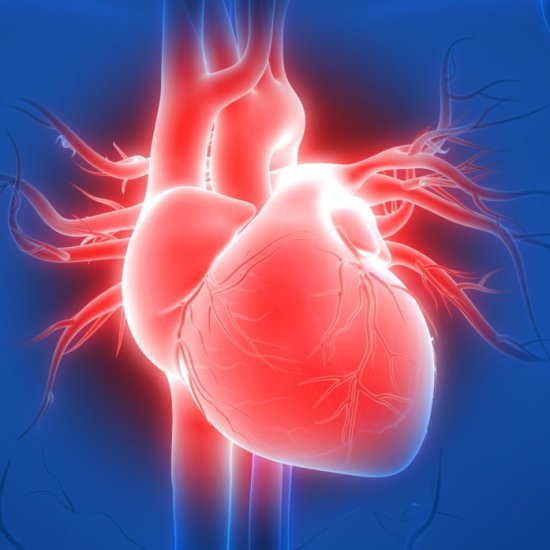
GLP-1 weight-loss drugs may help prevent further tissue damage following a heart attack, significantly reducing the risk of further life-threatening complications, a new study finds. |
|
News • Conditioning against cardiotoxicity
Researchers have discovered a new way to protect the heart during cancer chemotherapy without reducing antitumor efficacy. This could reduce long-term cardiovascular complications for patients. |
|
News • tRNA reprogramming mechanism identified
Coronaviruses can generate new variants capable of infecting humans after circulating in animal reservoirs. Researchers develop broad-spectrum antiviral drugs to curb the spread of these pathogens. |
|
Article • Developments in brain imaging for psychiatry
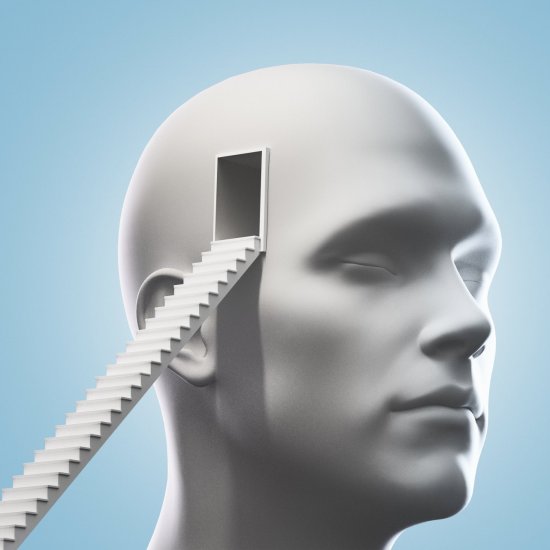
Psychiatrists and neuroimaging experts gathered to explore one of the last remaining frontiers in radiology – the human mind – at the annual meeting of the French Society of Radiology (JFR) last October in Paris. Their conversation oscillated ... |
|
Events
|
|
|
|
|
|
|
|
|
|
|
|
|
| |
You are receiving this email because you subscribed to our newsletter on healthcare-in-europe If you don’t want to receive this newsletter anymore, click here to unsubscribe.
Keep up-to-date on the latest news from all hospital-related fields!
Subscribe to our bi-monthly newsletter. Copyright © 2026 mgo fachverlage GmbH & Co. KG.
All rights reserved. E.-C.-Baumann-Straße 5, 95326 Kulmbach, Germany
email: newsletter@european-hospital.com |
|



|
|