|
|
Early detection remains a cornerstone of effective cancer management across multiple disciplines. Rising attendance in mammography screening programmes creates significant workload challenges, requiring innovative solutions. The newsletter explores cutting-edge cardiac imaging developments from ESC 2025, including AI-assisted ultrasound and accelerated MRI protocols. High-speed whole-body SPECT demonstrates strong prognostic value in tracking prostate cancer evolution. Additionally, genomic medicine advances stroke care personalisation, while new research reveals potential interference of GLP-1 agonists with cancer imaging. Enjoy reading!
|
|
 |
Article • Management of escalating imaging workload
Rising attendance in mammography screening programmes attest to the fact that women understand the importance of early breast cancer detection. However, the resulting workload increase is a growing challenge for many women’s imaging centres. At ... |
Article • Expert perspectives from ESC 2025
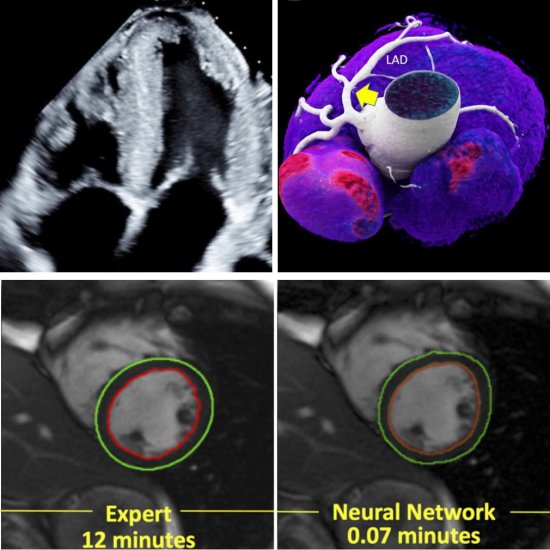
New cardiac imaging techniques continue to uncover the secrets of the heart for cardiologists who know how to use them. At the ESC 2025 Congress in Madrid, four experts explored cutting-edge developments across different modalities. These novel ... |
|
News • Nuclear imaging
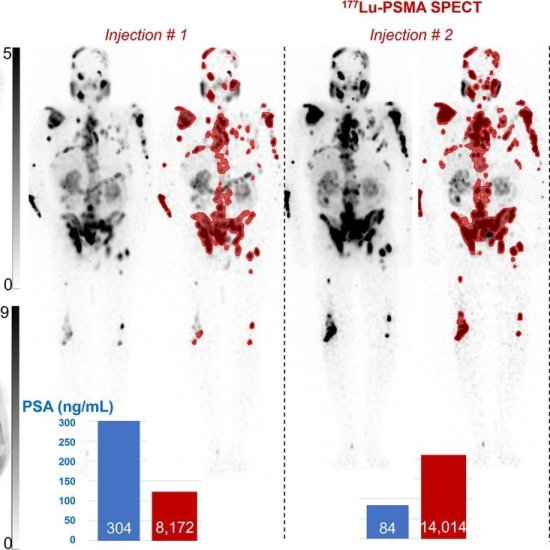
A new type of SPECT imaging provides strong prognostic information to guide prostate cancer treatments according to tumor evolution, significantly impacting patients' overall survival. |
|
Article • Personalizing stroke care
Stroke patients in four NHS hospitals are now receiving genetic tests that determine whether a commonly prescribed drug will work for them – a breakthrough that could transform treatment for millions. Digital approaches are spearheading a drive to ... |
|
News • Weight loss and diabetes medication
GLP-1 receptor agonists are widely prescribed for individuals with diabetes and weight loss. However, these medications may adversely affect the interpretation of cancer imaging, new research finds. |
|
News • Depth-resolved fiber photometry
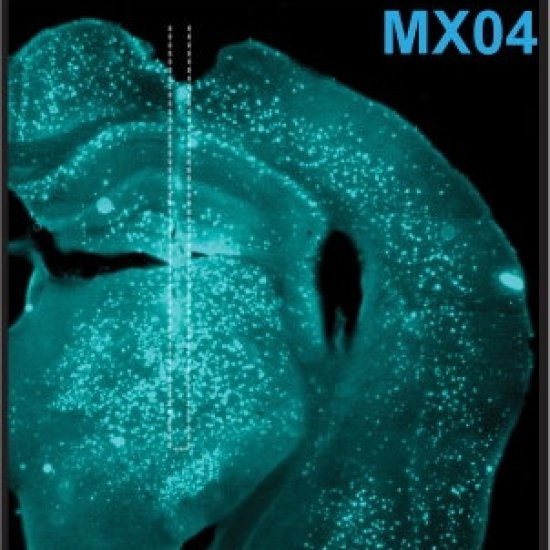
Scientists have developed a new method to track the build-up of amyloid plaques – a key characteristic of Alzheimer’s disease – in real time – an important step forward towards new treatments. |
|
News • Myalgic Encephalomyelitis/Chronic Fatigue Syndrome
Chronic fatigue (ME/CFS) affects millions worldwide, but is poorly understood and has long lacked reliable diagnostic tools. Now, a new blood test claims to diagnose the condition with 96% accuracy. |
|
News • Integration sites across anatomical sites
HIV manages to persist in the body for decades after infection and treatment. Now, researchers discovered that the virus cloaks itself in the DNA of infected cells using unique DNA patterns. |
|
News • Precision Oncology Ireland (POI)
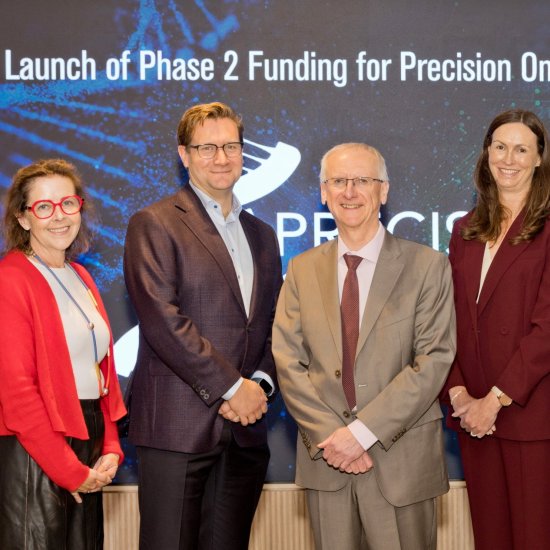
Precision Oncology Ireland (POI), a €28M cancer research programme uniting universities, charities and industry to develop tailored diagnostic and therapeutic solutions, has now entered phase 2. |
|
News • Call for more informed decision
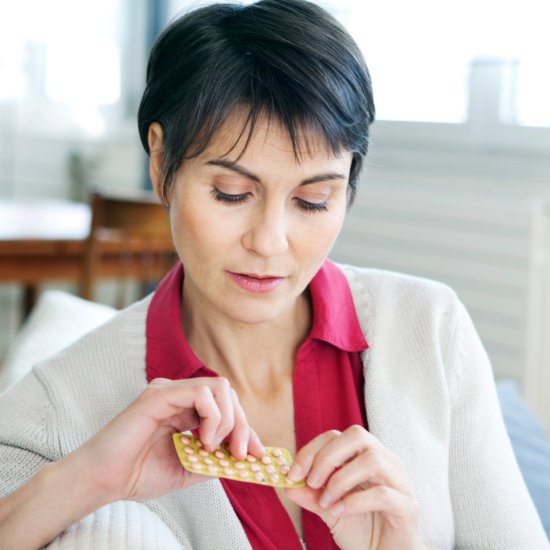
Breast cancer survivors are often discouraged from undergoing hormone replacement therapy (HRT) to alleviate menopause symptoms. Now, new research paints a more differentiated picture. |
|
News • Study explores clinical potential of WGS
Breast cancer claims around 670.000 lives each year. Now, researchers propose that whole genome sequencing (WGS) could help many patients find better treatments or match them with clinical trials. |
|
News • Unified framework
The heterogeneity of critical illnesses like sepsis, ARDS, and trauma creates immense challenges. A new, unified way to classify patients aims to improve treatment. |
|
Events
|
|
|
|
|
|
|
|
|
| |
You are receiving this email because you subscribed to our newsletter on healthcare-in-europe If you don’t want to receive this newsletter anymore, click here to unsubscribe.
Keep up-to-date on the latest news from all hospital-related fields!
Subscribe to our bi-monthly newsletter. Copyright © 2026 mgo fachverlage GmbH & Co. KG.
All rights reserved. E.-C.-Baumann-Straße 5, 95326 Kulmbach, Germany
email: newsletter@european-hospital.com |
|



|
|