|
|
Personalised implants are transforming complex skull reconstruction surgery. This issue features an in-depth interview on how digital planning has shifted cranioplasty from intraoperative improvisation to preoperative precision, with experts discussing material choices between titanium and PEEK. Further topics include Denmark's successful elimination of congenital syphilis, the role of certified cardiac arrest centres in improving survival after out-of-hospital cardiac arrest, and how radiotherapy may boost immunotherapy in pancreatic cancer. Enjoy reading!
|
|
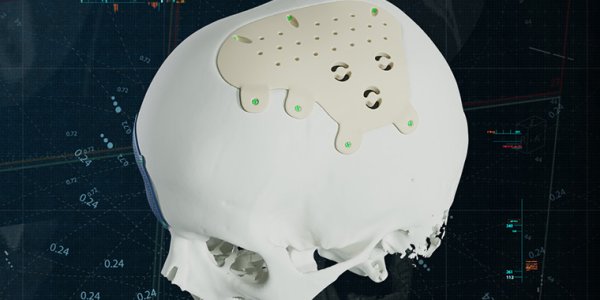 |
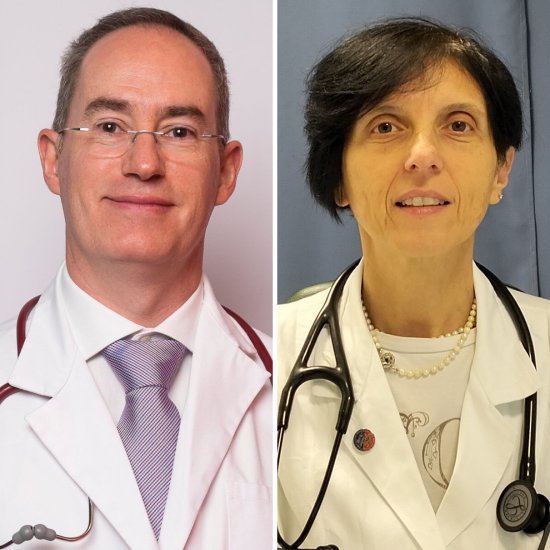
Interview • Personalised implants in CMF surgery
Whenever cranioplasty is discussed, the conversation usually centres on the implant material: titanium or PEEK. However, for Prof. Thomas Schouman, a CMF surgeon at the AP-HP Pitié-Salpêtrière Hospital in Paris, and Maarten Zandbergen, Market ... |
Advertisement
 |
|
News • 10 years without a single case
Congenital syphilis is on the rise across Europe, nearly doubling in a single year. Yet Denmark has marked a full decade without a single case. How one country managed what many others haven't. |
|
Article • Acute cardiovascular care
Networks of certified cardiac arrest centres could dramatically improve survival and neurological outcomes for patients who suffer out-of-hospital cardiac arrest. At the ESC 2026 congress in Munich, experts debated how hub-and-spoke models in acute ... |
|
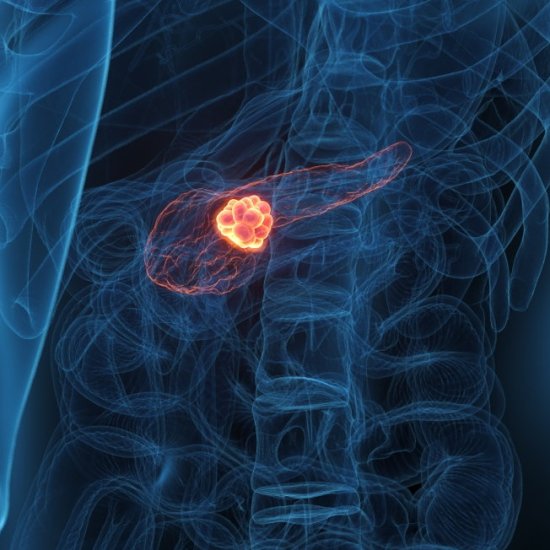
News • Promising treatment synergies
Radiotherapy may be able to do far more than simply destroy tumor cells. A review explores how combining radiotherapy with immunotherapy could improve outcomes for patients with pancreatic cancer. |
|
Article • Digital Health
Manually calculating intravenous insulin infusion rates is a time-consuming, error-prone process. A Turkish hospital addresses these issues with bedside software built in-house by a clinician who saw the problem firsthand on the ward. The tool ... |
|
News • Immunotherapy first, surgery afterwards
In glioblastoma, the treatment order matters: a new study shows that administering cell immunotherapy before surgery to remove a brain tumour is significantly more effective than the other way around. |
|
News • Prophylactic post-treatment
After treatment for small-cell lung cancer (SCLC), patients often undergo prophylactic radiotherapy to prevent metastases in the brain. Now, a new study shows that MRI surveillance alone is enough, with fewer side-effects. |
|
News • Collagen-targeted protein CA
A research team has developed a new class of protein-based MRI contrast agent that detects invasive lung cancer and metastatic disease at earlier stages than conventional imaging approaches. |
|
News • Environmental exposure
People with lung cancer are more likely to have microplastics in their lungs and to have larger quantities of microplastics in their lungs, according to new research. |
|
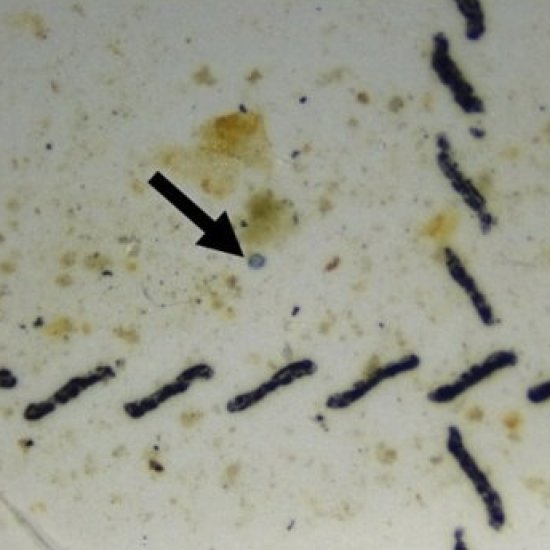
News • Beyond antibiotics
A new study shows that phage therapy could help reduce recurrent infections, which happen when the bacteria responsible for UTIs ‘hide’ in the tissue of the bladder. |
|
News • Study challenges long-held assumptions
Clostridioides difficile does not cause symptoms in infants – but that does not mean the bacteria are harmless: research links colonization to serious long-term consequences for the developing gut. |
|
News • Impact on healthy tissues uncovered
For many childhood cancers, chemotherapy is the only treatment option. A study explores the trade-off between life-saving treatment at a young age, and delayed side effects unfolding over a lifetime. |
|
Events
|
|
|
|
|
|
|
|
|
|
|
|
|
|
|
|
|
| |
You are receiving this email because you subscribed to our newsletter on healthcare-in-europe If you don’t want to receive this newsletter anymore, click here to unsubscribe.
Keep up-to-date on the latest news from all hospital-related fields!
Subscribe to our bi-monthly newsletter. Copyright © 2026 mgo fachverlage GmbH & Co. KG.
All rights reserved. E.-C.-Baumann-Straße 5, 95326 Kulmbach, Germany
email: newsletter@european-hospital.com |
|



|
|