





Photo:

Chemotherapy

Chemotherapy is used against various cancers and is often consideres as a last resort – especially if the cancer has metastasised. Since chemotherapy agents can cause severe side effects, research aims to make treatment more tolerable.

Photo

News • Improved tumor response and survival outcomes

Focused ultrasound may enhance chemotherapy for pancreatic cancer

Results from a recently published clinical trial suggest that combining focused ultrasound with chemotherapy may improve tumor response and survival outcomes in patients with pancreatic cancer.

Photo

News • Pediatric oncology

"Genomic fingerprints" left by chemotherapy could point to more precise cancer treatments

Chemotherapy of many childhood cancers leaves specific traces in the DNA, a new study finds. These changes could help clinicians spot treatment resistance earlier, before cancer returns or spreads.

Photo

News • Circulating tumor DNA status

Colorectal cancer: blood test shows who benefits from chemotherapy after surgery

A blood test for ctDNA may help identify which patients with colorectal cancer that has spread to the liver are most likely to benefit from chemotherapy after surgery, according to new research.

Photo

News • Magnet-controlled chemotherapy delivery

Treating bladder cancer with algae-based robots

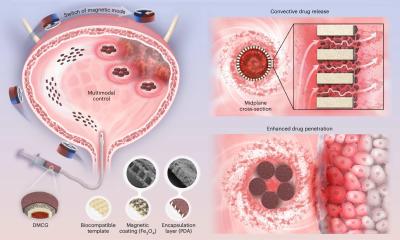
Tiny algae-based robots guided by magnets could improve bladder cancer treatment by boosting delivery of chemotherapy drugs into tumours, results from a new study suggest.

Photo

News • OPTIMA trial results

Gene test could safely spare breast cancer patients of chemotherapy

Many people with breast cancer can avoid chemotherapy with a gene test, potentially sparing them side effects without increasing the risk of the cancer returning, a clinical trial has found.

Photo

News • Study explores cost of survival

Women more likely to survive cancer but suffer more severe side effects

Women are more likely to survive cancer than men but face a higher risk of serious and adverse side effects from treatment, according to a new international study.

Photo

Article • AI-powered prediction

Machine learning identifies cardiotoxicity risk in breast cancer patients

Researchers have developed a machine learning algorithm that uses cardiac MRI images to help identify breast cancer patients who may be at risk of cardiotoxicity during cancer treatment. The research, led by cardiologist Dr Paaladinesh Thavendiranathan, was presented at the European Society of Cardiology's Cardio-Oncology Conference in Florence in June.

128 show more articles
Subscribe to Newsletter