


Image credit: Medical University of South Carolina
News • Recovery in patient's home
Telerehabilitation for “cognition-first” approach to stroke rehab
Virtual visits tackling cognitive difficulties first could improve stroke recovery
In the U.S., a stroke happens roughly every 40 seconds. That means, in the time it takes to read a five-minute news article, more than seven Americans will have experienced this life-changing medical event, which is a leading cause of death and serious long-term disability across the country. For stroke survivors, the road to recovery can be a long and difficult one, often complicated by a number of cognitive, functional and motor impairments.
Stroke rehabilitation programs seek to address these issues, but most are located in urban centers, limiting access for rural patients. They also mainly focus on physical symptoms and language problems, leaving other cognitive issues under-addressed.
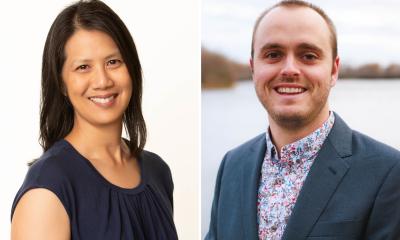
A team of MUSC researchers, led by clinical neuropsychologist Stephanie Aghamoosa, Ph.D., and occupational therapist Michelle L. Woodbury, Ph.D., is working to change that. In their newly NIH-funded Phase 1 feasibility study, the results of which were published in Brain Sciences, they combine cognitive treatment (COG) with occupational therapy (OT) into COG-OT: a plan of treatment intended to help patients to build a solid foundation for their stroke rehab journeys. In addition to taking a novel “cognition-first” approach, care is provided remotely, right in patients’ homes.
Our main findings show that this treatment is feasible and highly acceptable. People liked it, stayed engaged and used the strategies in their daily lives
Stephanie Aghamoosa
Traditional stroke rehab programs start by treating physical issues, such as balance, paralysis, numbness and pain. While these symptoms are important, cognitive problems resulting from stroke can affect up to 70% of survivors and make it harder for them to benefit from physical rehabilitation fully. “Cognitive and motor impairments go hand in hand and really affect real-life function,” explained Aghamoosa. “Yet they’re often treated separately.”
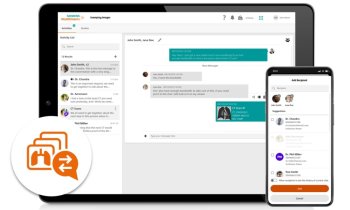
In the study, the team tested the COG-OT treatment plan, which patients completed from home via video visits. The idea was to add a short cognitive primer at the start of treatment, combined with occupational therapy techniques so patients could build the skills necessary to re-engage in life’s day-to-day activities. This approach combines cognitive rehab with daily living skills, reflecting the way cognitive and physical challenges intersect and influence recovery after a stroke. The cognitive portion of the treatment includes four brief one-on-one sessions. These sessions focus on the thinking skills most often affected by stroke: attention, memory, organization and problem-solving. The material is adapted from an established, evidence-based program and simplified for use in a telehealth setting. Occupational therapists help patients to apply these strategies directly to everyday tasks at home.
The program is structured to reflect each patient’s needs. “A central feature of COG-OT is that it can be adapted and personalized,” explained Aghamoosa. “For example, if someone doesn’t have memory impairment, we won’t spend time on the memory interventions for them. If they have more trouble with problem-solving, that’s where the therapist is going to home in. So, it’s highly personalized.”
Recommended article
News • Research, diagnostics, therapies
Focus on stroke
Strokes are among the most common cause of death worldwide and one of the most common causes of disability. Mortality rates are decreasing due to improving care. Nevertheless, experts expect the absolute number of cases to rise in view of the ageing population. Read more about current research and treatment options here.
Rather than excluding patients with post-stroke language issues, such as aphasia – as many cognitive rehabilitation studies do – this research team purposely redesigned their intervention to include them. Aphasia is a language disorder caused by stroke or traumatic brain injury that affects the ability to speak, understand speech, read and write. It does not, however, affect intelligence. This multidisciplinary approach marks a meaningful step forward in improving accessibility for a greater number of stroke survivors, Aghamoosa said.
The virtual mode of delivery is part of what made this trial revolutionary. “This is a new treatment that can be delivered in people’s homes remotely, which is really key,” said Aghamoosa.
This tactic is informed by previous research and experience. Woodbury led the MUSC site of a large NIH trial that showed telerehabilitation can be just as effective as in-clinic therapy and significantly more accessible. “Telerehab allows us to reach people in rural areas who might otherwise have to drive hours for stroke rehab,” said Woodbury. If travel burdens can be reduced and access to care expanded, therapists will be able to help more people who need it, Woodbury explained. Because therapy takes place in patients’ homes, treatment focuses on day-to-day activities like using their own appliances for cooking, doing laundry, working around the home or maintaining a calendar. This approach allows therapists to address both physical and cognitive challenges in realistic environments, rather than artificial clinic settings.
This Phase 1 feasibility study showed that care is easy to deliver, had very low dropout and had favorable reviews from participants. “Our main findings show that this treatment is feasible and highly acceptable,” said Aghamoosa. “People liked it, stayed engaged and used the strategies in their daily lives.”
The team’s next steps include plans to analyze and publish preliminary outcome data from this first trial. Aghamoosa and Woodbury will then apply for funding to conduct a larger Phase 2 trial to test how well the treatment plan improves recovery. They also believe this approach could be adapted for other conditions, including aging-related cognitive and physical challenges. They are also exploring new ways to measure functional cognition in real-world settings, recognizing that everyday distractions and interruptions – from a phone call to a knock on the door – can significantly affect how a patient functions away from the clinic. “This approach to stroke recovery is building upon decades of work, innovating in a way that brings it all together to have the best impact for people,” said Aghamoosa. “That’s what excites us the most.”
Source: Medical University of South Carolina
03.02.2026